May 1 through May 8, 2024
Touring Edinburgh and driving into the Western Highlands
Day 1
Signet Library and an introduction to the Royal Mile
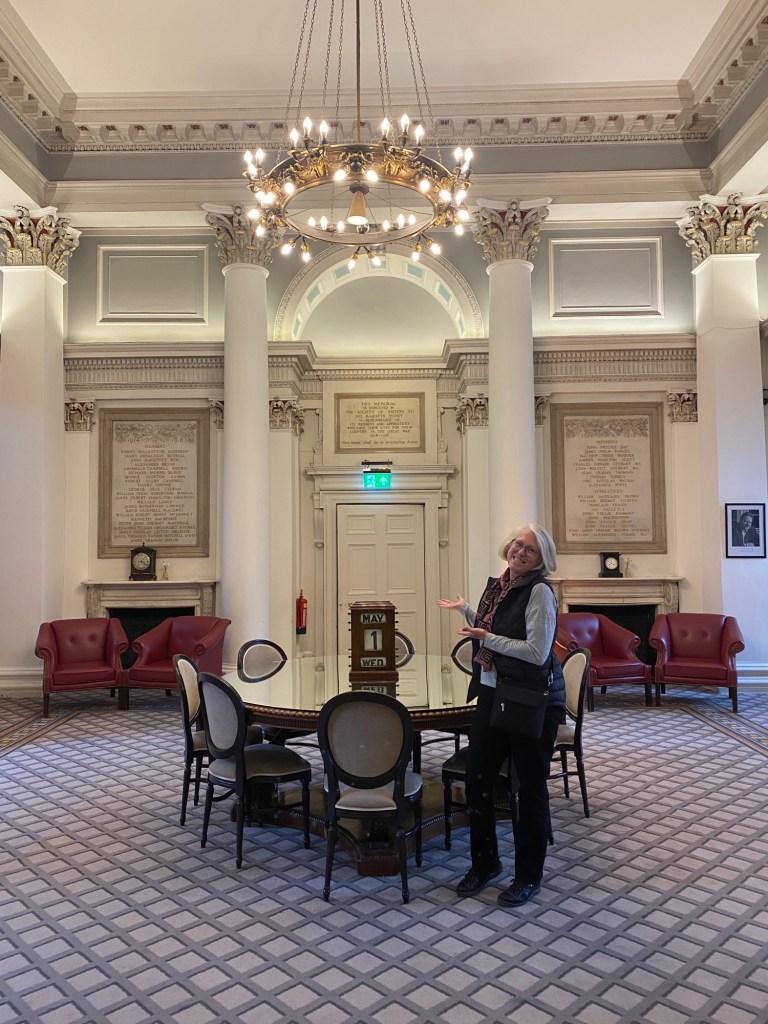
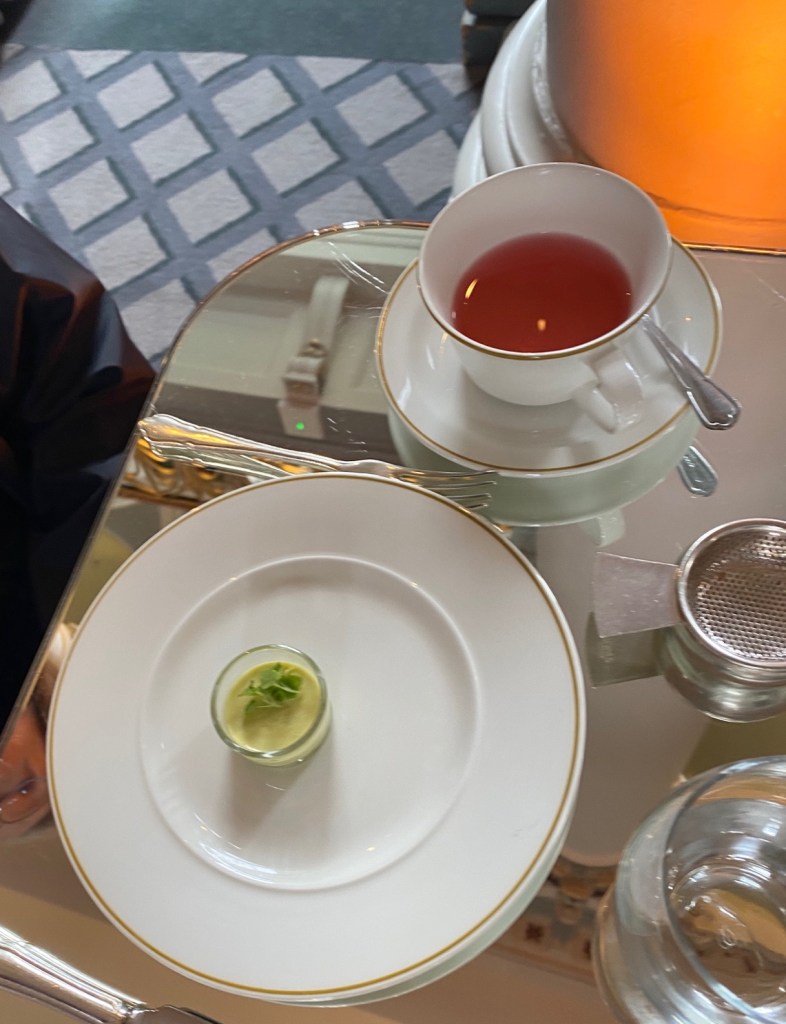
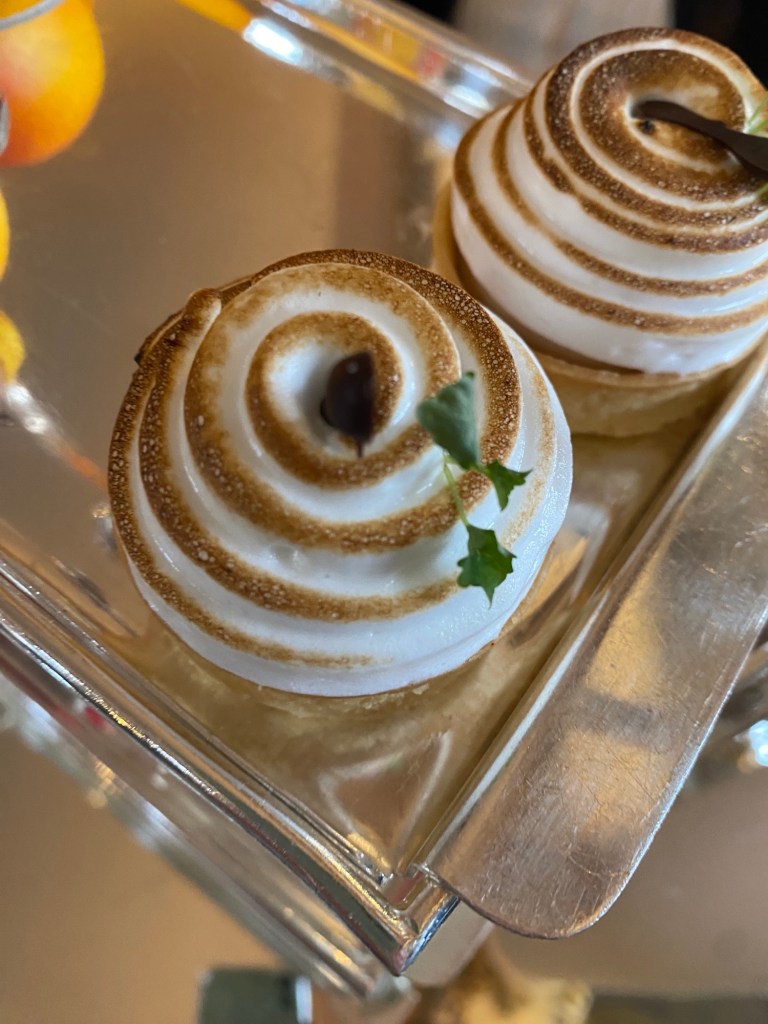
First stop – The Colonnades in the Signet Library for our Afternoon Tea where we were surrounded by Corinthian columns guarding the library’s treasured books.
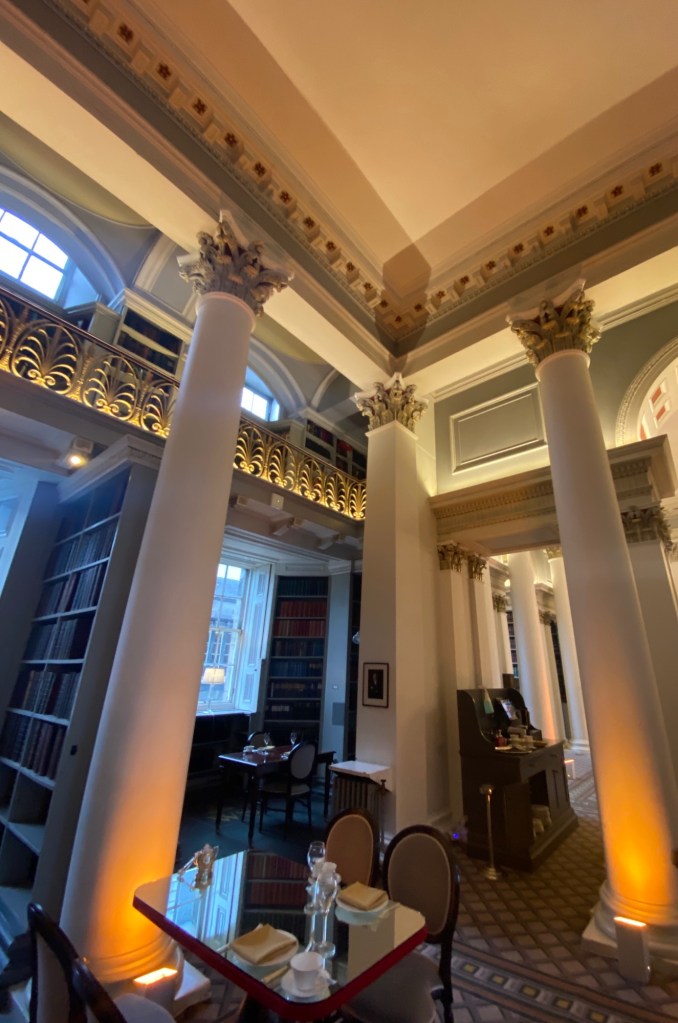

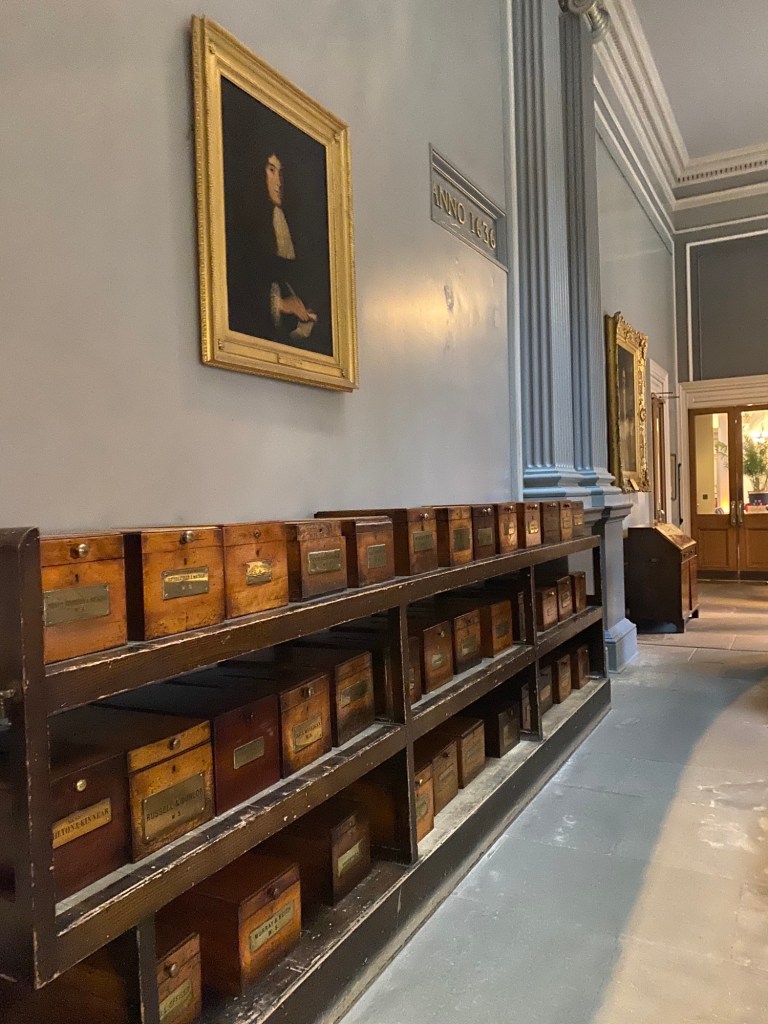
This Society of Writers to Her Majesty’s Signet were authors who produced royal manuscripts with the seal or the ‘Signet’ of the King of Scotland going back to the 15th century. This college of writers was first establish by James V in 1532, when the ‘writers’ were judges and lawyers who played a prominent role in developing Edinburgh as the capitol of Scotland, not just in law but in other areas. Sir Walter Scott, who we will meet later in this blog, was apprenticed here at the Signet Library.

sister-in-law Barbara as we exit the Signet Library
We were a few dozen steps away from the bustle of the Royal Mile and the breathtaking Saint Giles Cathedral.
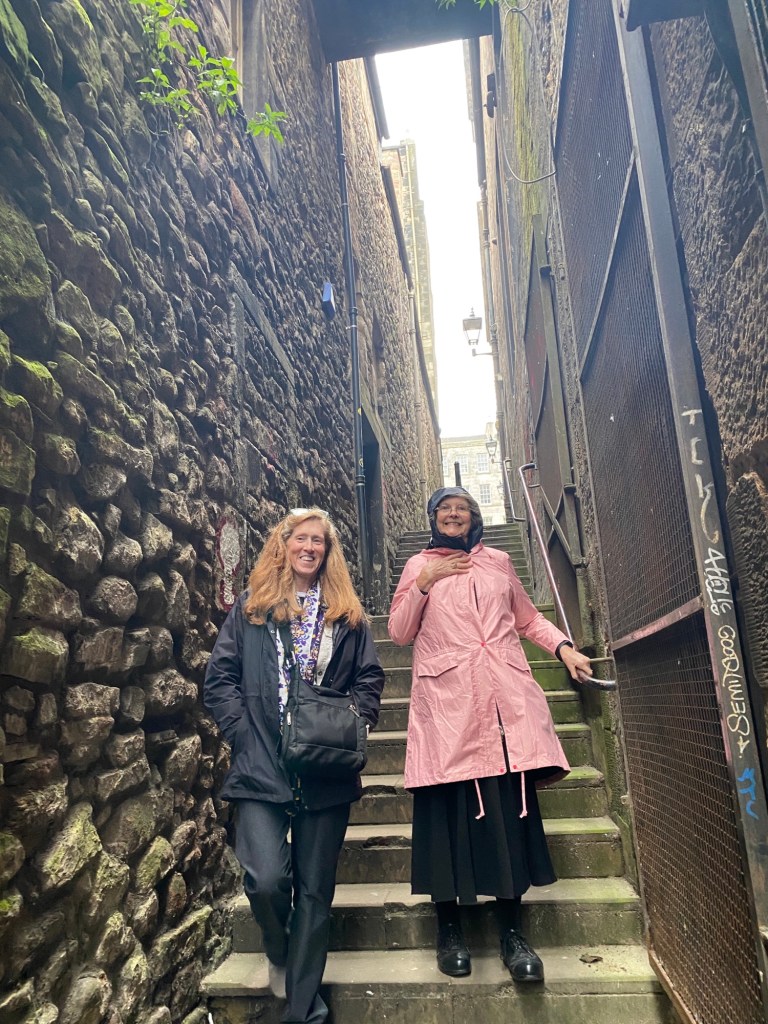
Our evening stroll back to our hotel, located on the popular Princes Street, brought us through one of several closes or alleyways which run perpendicular to the Royal Mile.
Day 2
Edinburgh Castle and The National War Museum
We started our second day of touring Edinburgh with a short hike southeast toward the bottom of the Royal Mile.
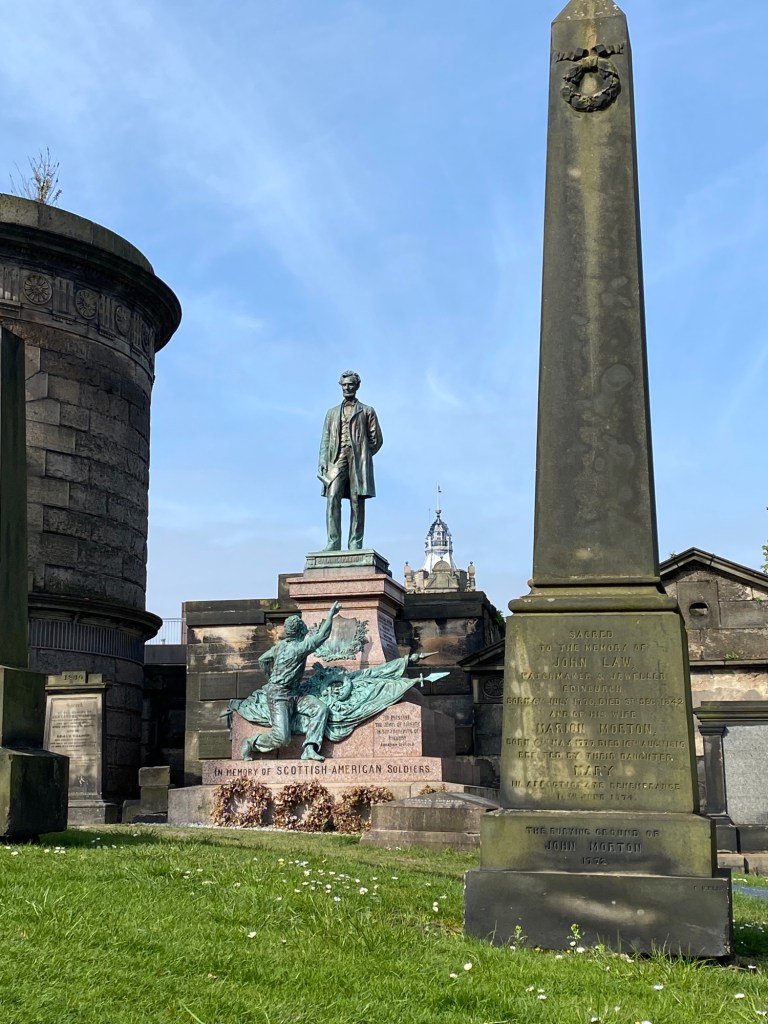
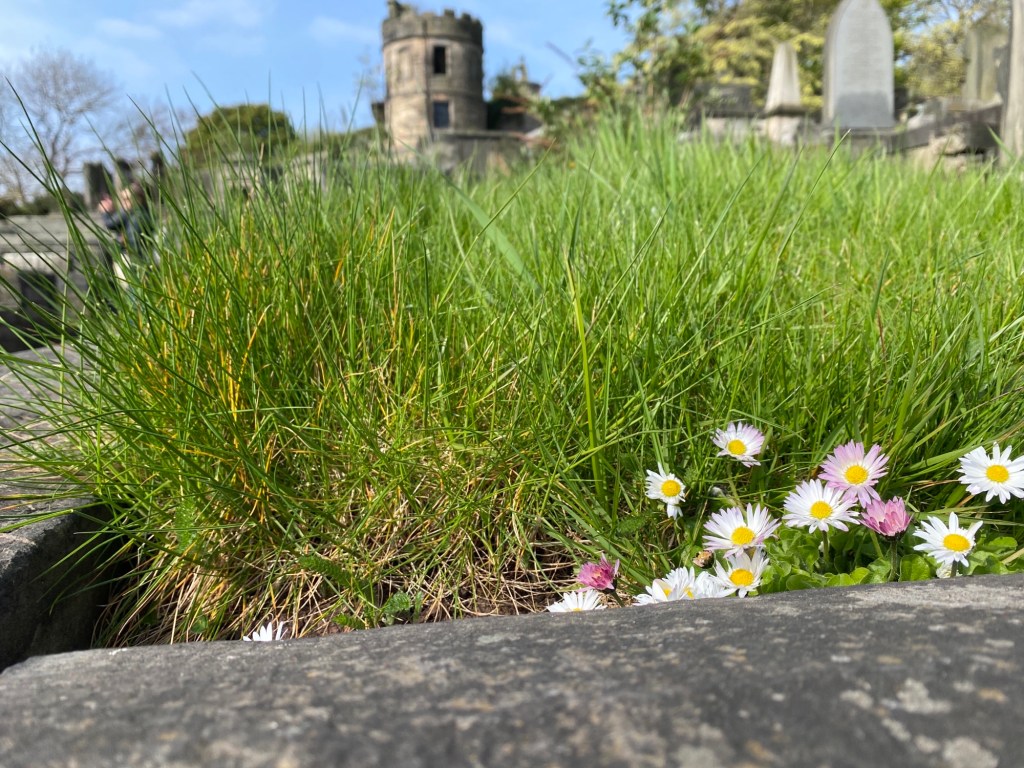
After a chance encounter with Old Calton Burial Ground, opened in 1718 and featuring a nod to Lincoln atop a war memorial to Scottish American Soldiers, we walked on and climbed down to the bottom of the Royal Mile.

The site of an ancient, one time volcano about a mile from Edinburgh Castle is Arthur’s Seat. The name given to the main peak of a group of hills including the one on which Edinburgh Castle sits. A famous Scot, Robert Louis Stevenson, once noted it posture as “a hill for magnitude, a mountain in virtue of its bold design” as it rises a little over 800 feet above the Firth of Forth. It can be climbed from almost any direction, with sloping ascents through grassy fields or steep climbs across the rugged crags.

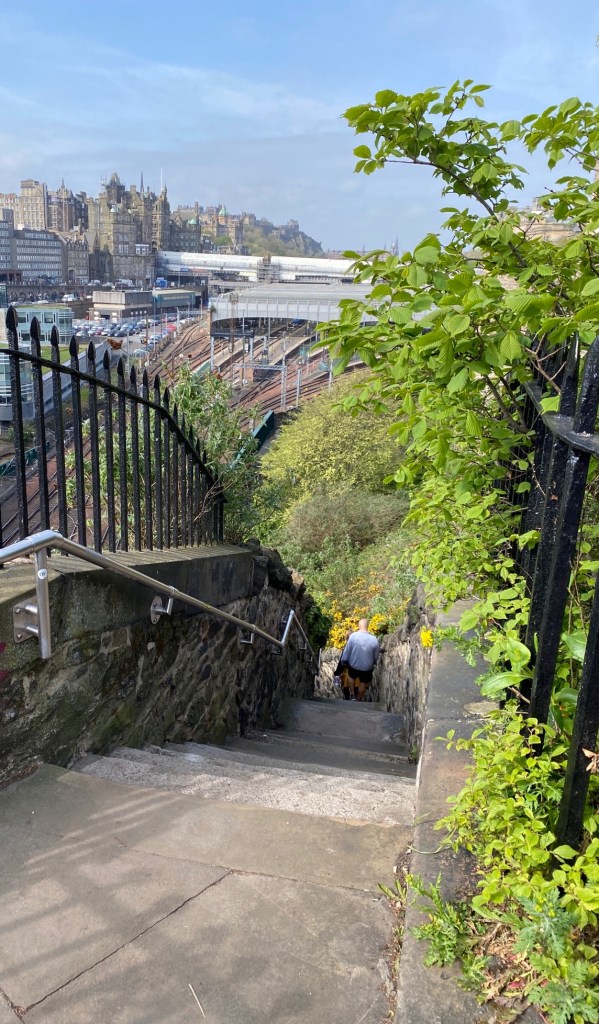
Leaving the burial ground as we make our way down to the bottom of the Royal Mile.
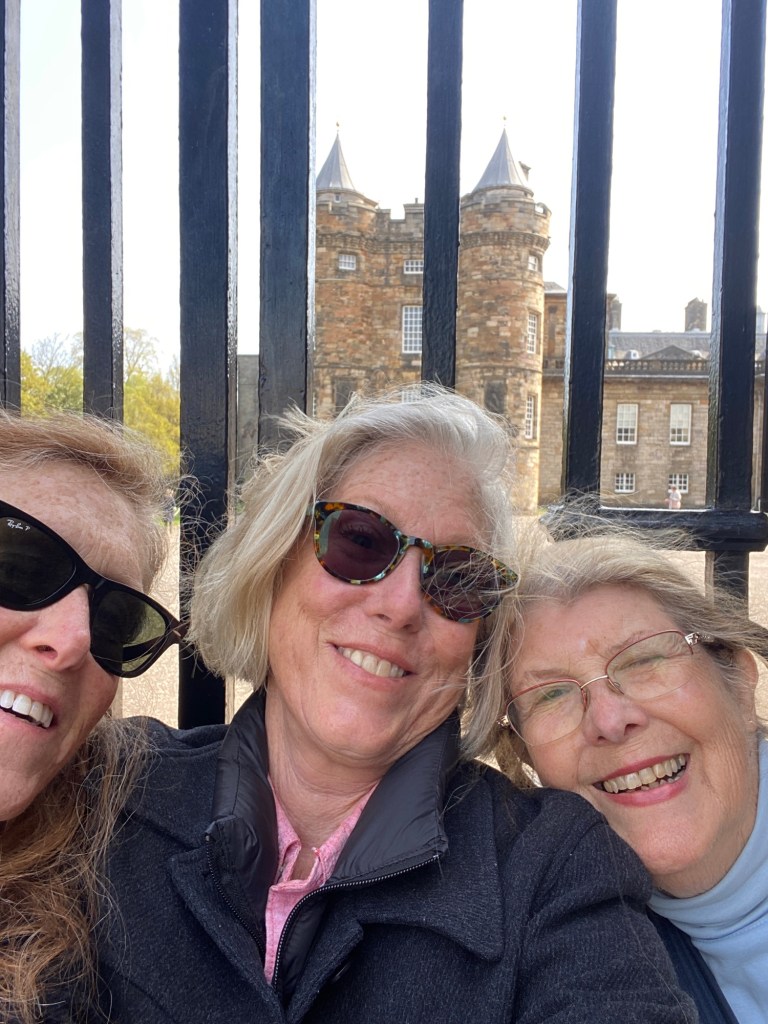
Made it to the gate of Holyrood. Just the first of several miles we would wander on this our second day of touring Old Town Edinburgh.

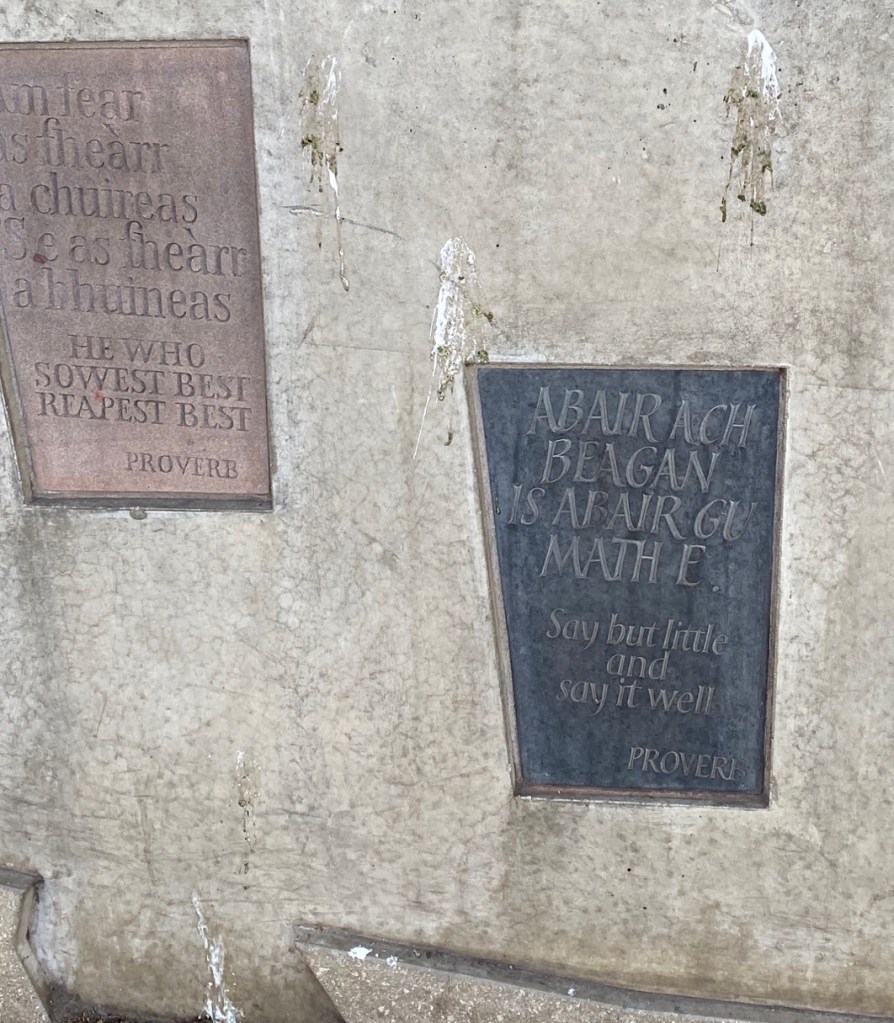
The Scottish Parliament building is across the street from Holyrood Palace. The street side of the building features embedded Proverbs in Gaelic “Gah-lick” and English
The throng of travelers making their way to Edinburgh Castle was impressive – the guard at the gate told us that over 40,000 people make that hike each day with only a fraction of them with advanced ticket for a scheduled entrance into the castle grounds.
As we arrived near the top of the mile, we entered St Giles Cathedral just as afternoon prayer mass was beginning. St. Giles’ Cathedral was founded in 1124 and has been a working church for 900 years!
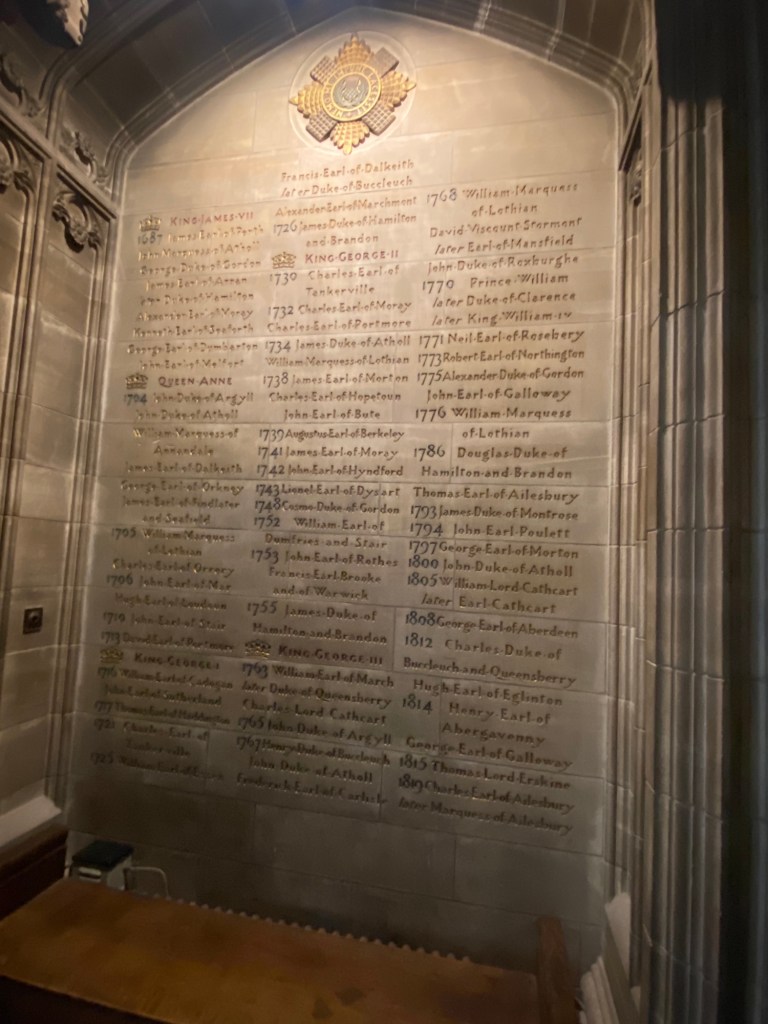
Above is pictured one of the walls depicting the reigning monarchs and below is a glimpse of one of several almost floor to ceiling stained glass windows.
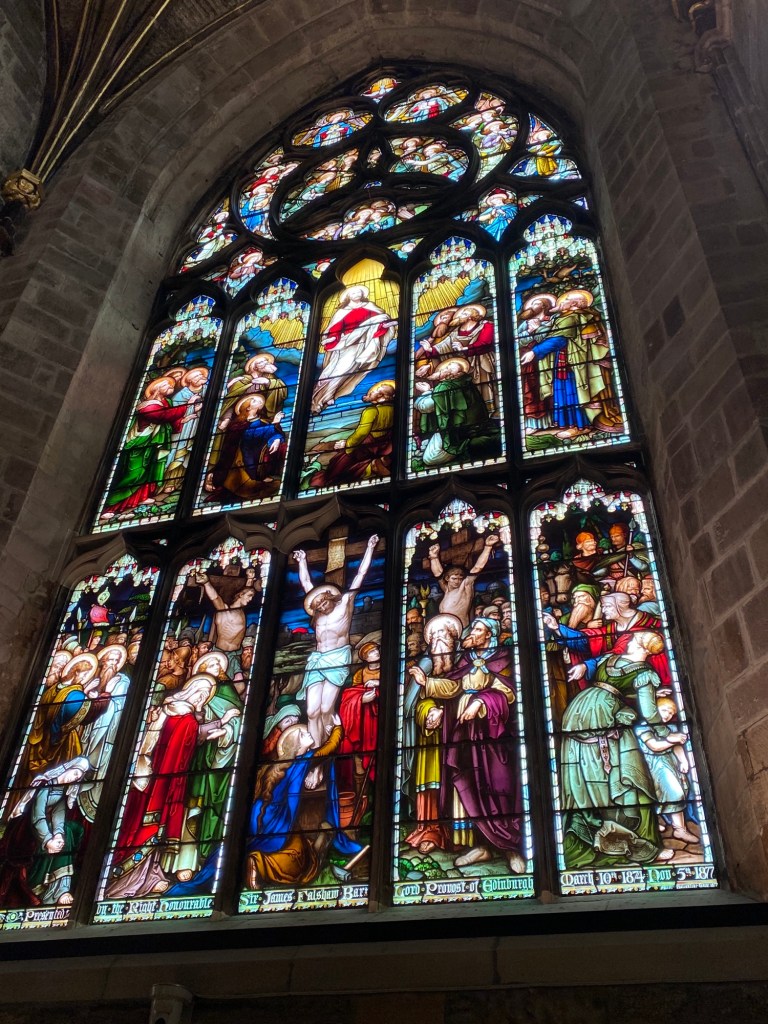
As we walked along listening to the Lord’s Prayer, it was easy to imagine how so many other travelers make this pilgrimage to this impressive cathedral.


Austrian oak enhances the magnitude of this impressive organ built in 1992 by Rieger Orgelbau, who have been building organs since the 1870’s.
We continued on our way close enough to the appointed hour of entry to Edinburgh Castle – little did we know that we were about to step back in time and make an emotional discovery.

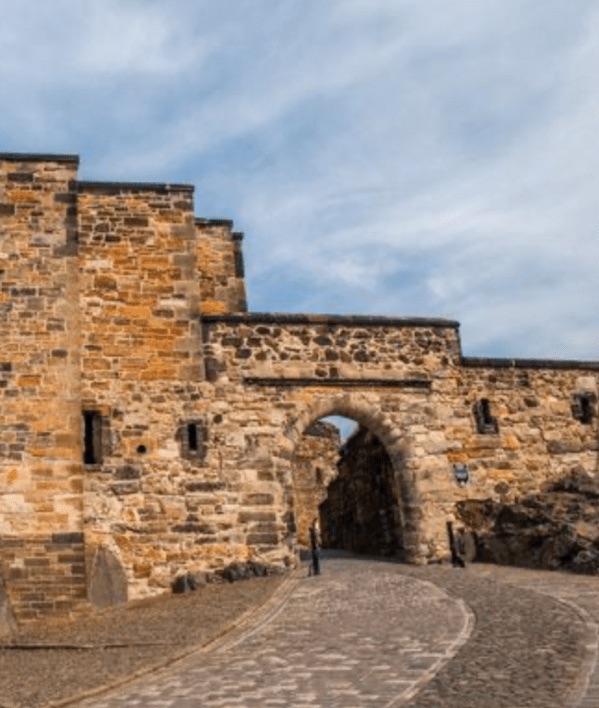
Entering the castle walls guarded by Robert the Bruce and William Wallace, we are surrounded by ancient stonework walls and cobbled pathways.
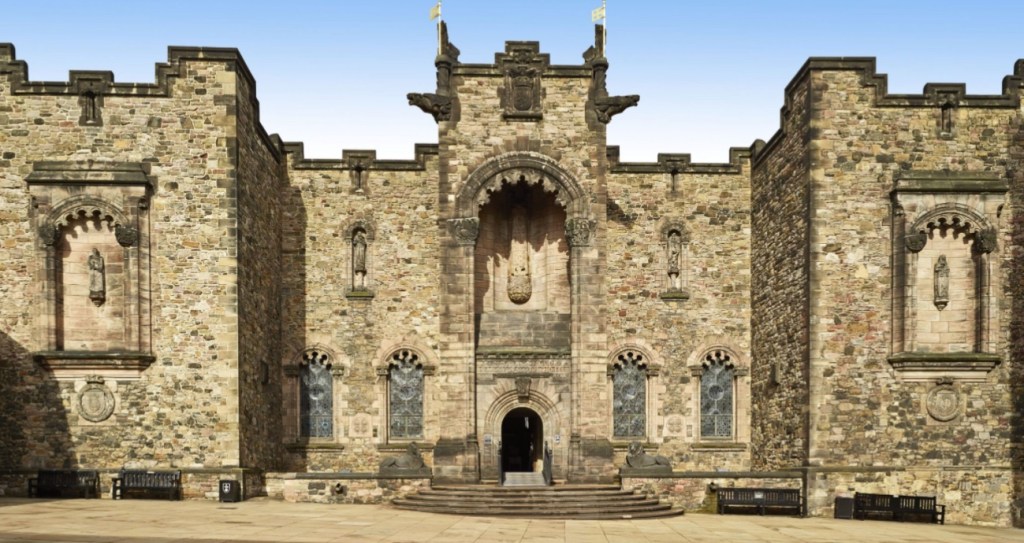
The Scottish War Museum is a solemn reminder of the cost of war. The stained glass and memorial draped walls serve as a living memorial to fallen soldiers. Among these men, we discovered the name of my grandfather’s brother. Our Great Uncle Cornelius Sullivan’s name was written in one of several red leather bound ledgers poised on the stone ledge beneath a memorial dedicated to Army Med Corps.
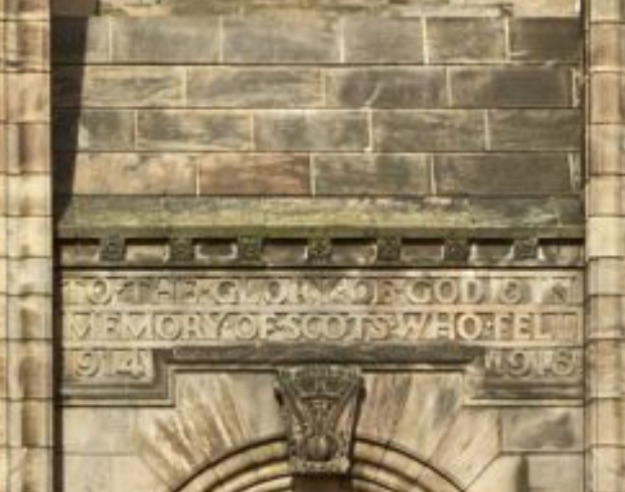
1914 – 1918
Cornelius died from his wounds in Gallipoli on August 24, 1915. Like my grandfather, who was only ten or eleven when his brother went away to war, he was born in Cowdenbeath – a village known for its coal pits just a short drive over the Firth of Forth.
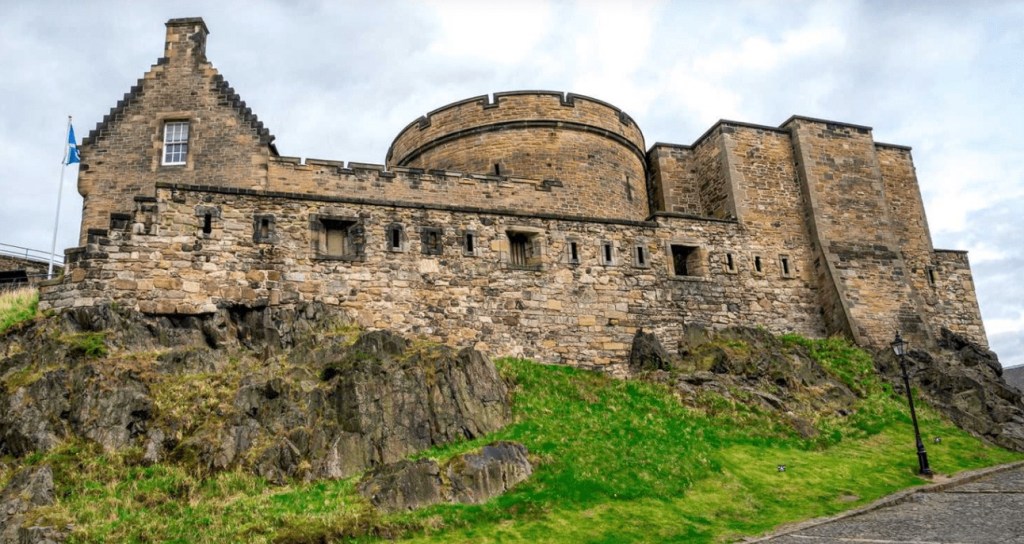
The impressive back side of the Scottish War Museum seemingly carved from the stone of the ancient crag.

Day 3 Final destination St Andrews
Approximately 55 miles which sounds like maybe a little over an hour of driving. We came to understand the miles in Scotland don’t equate to our mph at home. Still it was a shorter day of driving than was to come.

Driving through the Kingdom of Fife which lies between the Firth of Tay and Firth of Forth, feeling a sense of kinship to these proud and loyal people of Southern Scotland.

We secured our rental car and made our way across the Firth of Forth. We would be driving through Cowdenbeath, the birthplace of my grandfather, William and his brother Cornelius, as we make our way to St Andrews.


St. Andrews isn’t just filled with golfers and scholars!


Our trip to St Andrews gave us a short glimpse into the trials and tribulations of navigating not only the roadways but finding our way around town on foot! We found our accommodations – finally – and enjoyed a delicious lunch – yes – Guinness was consumed along with fish & chips and steak pie!
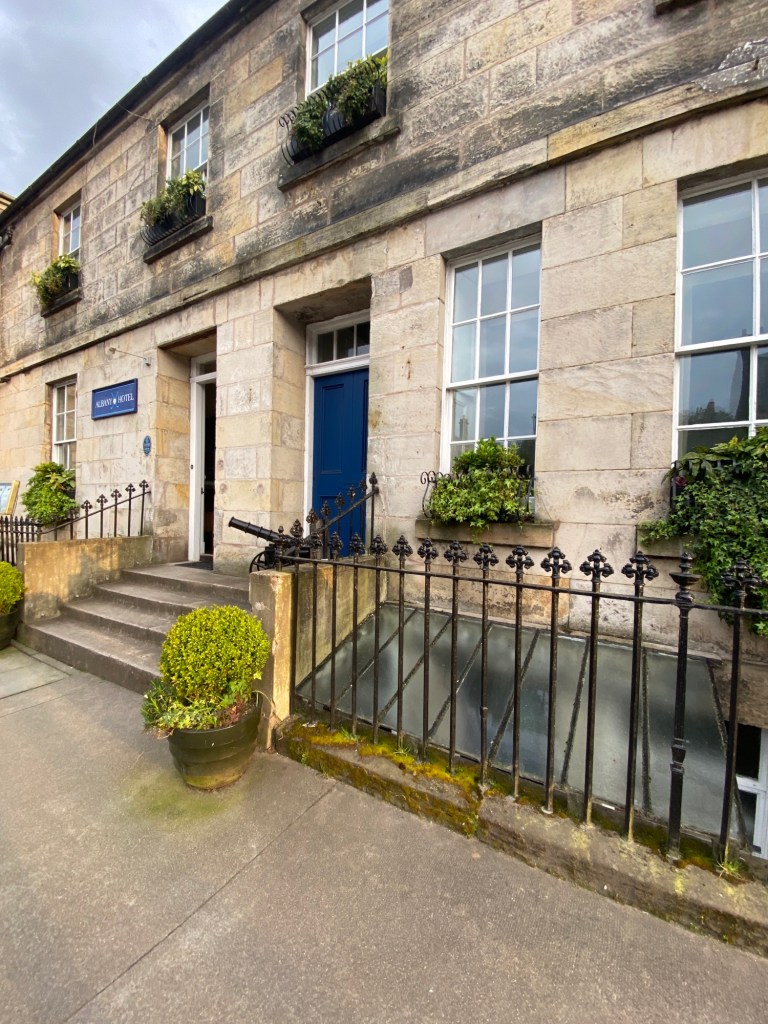
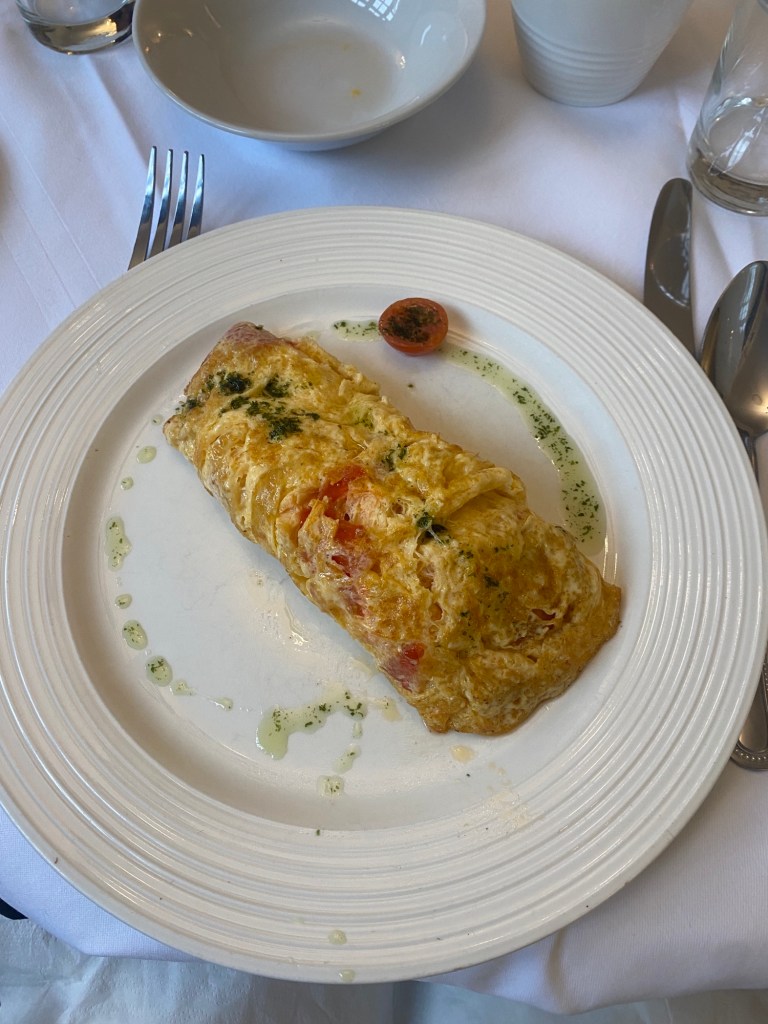
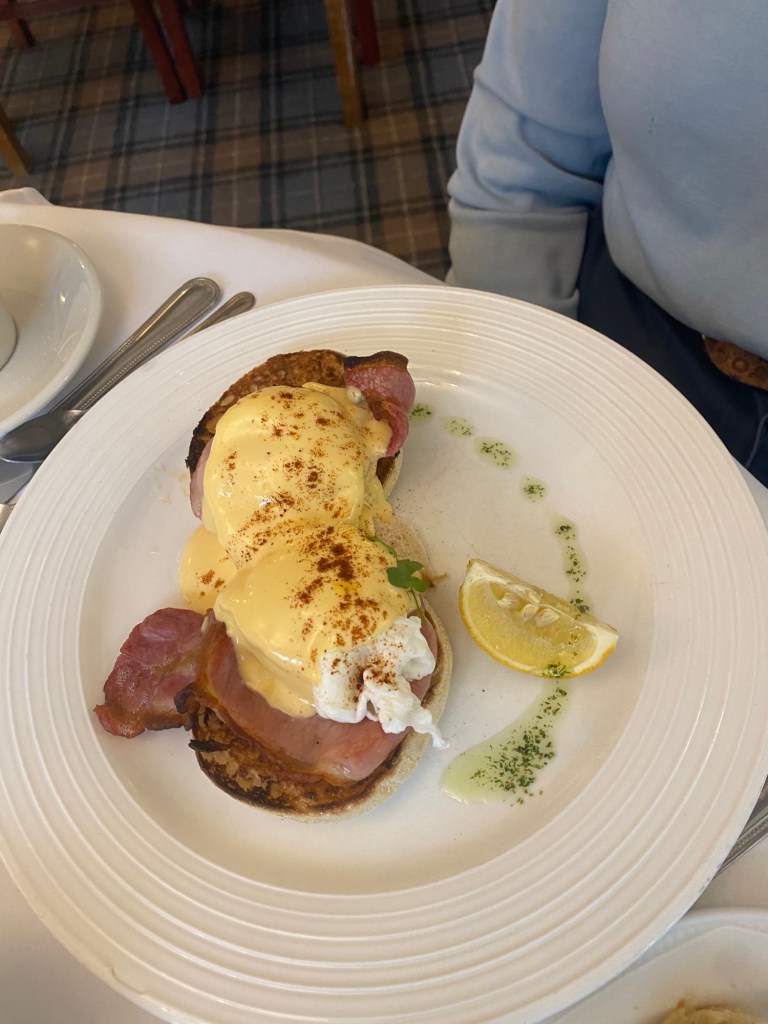
Next morning breakfast was a fine treat, and we prepared for a day of travel north to Inverness.
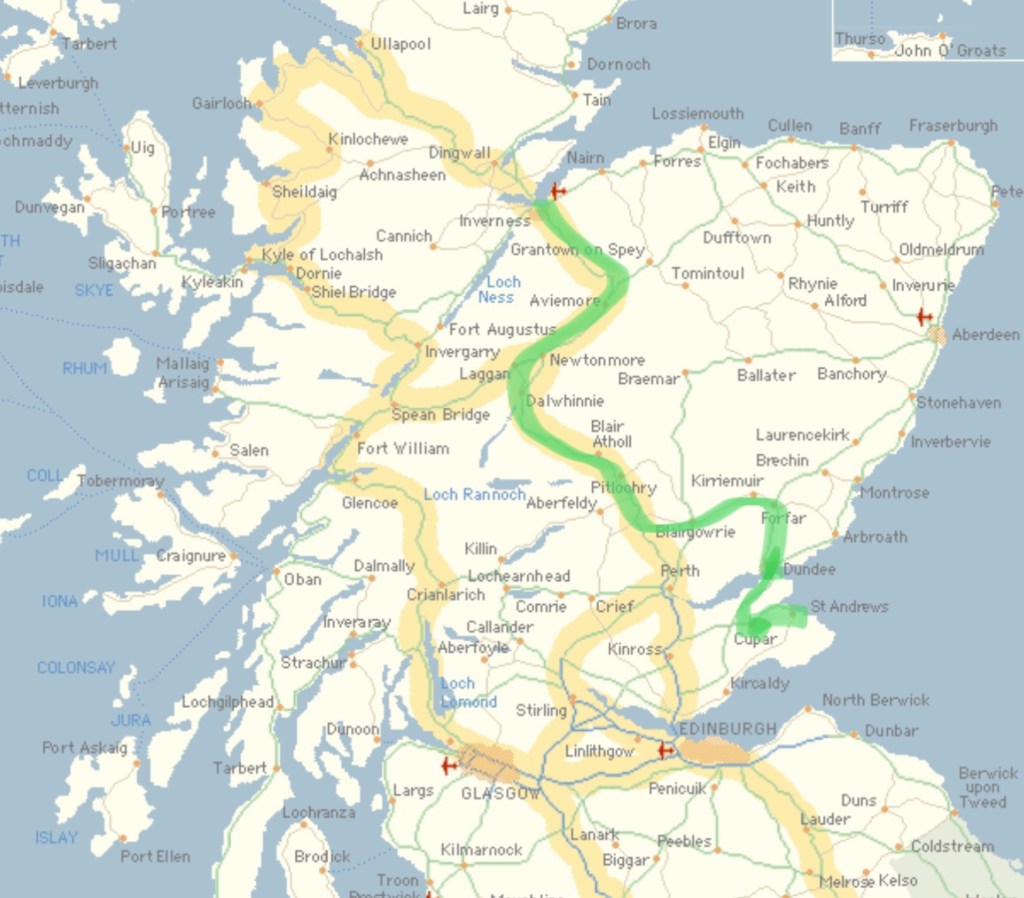
Day 4 We drive north with two stops on this day putting approximately 150 miles of road behind us.
Onto Inverness by way of Dundee with a stop at the impressive Scotland Design Museum.
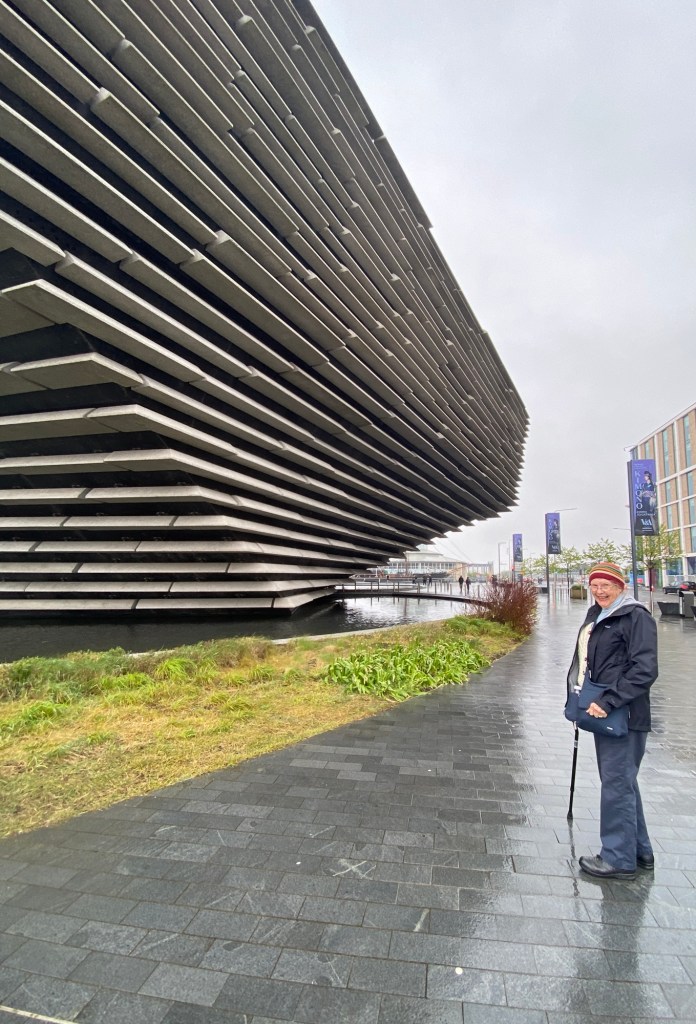
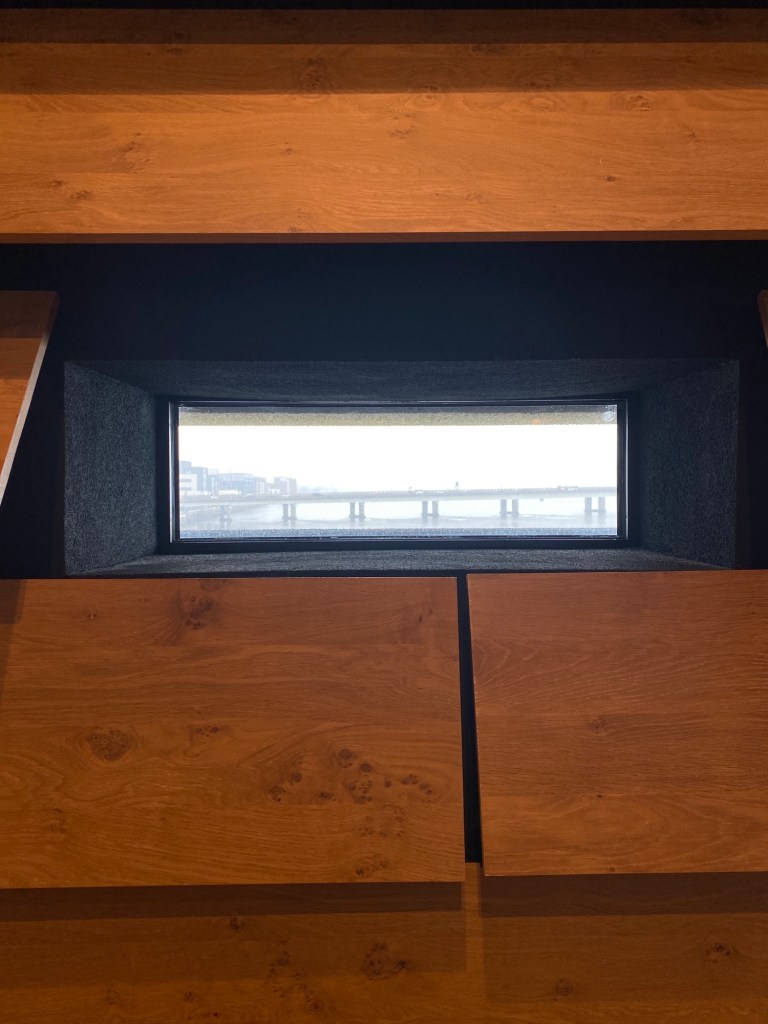
along the Firth of Tay in Dundee
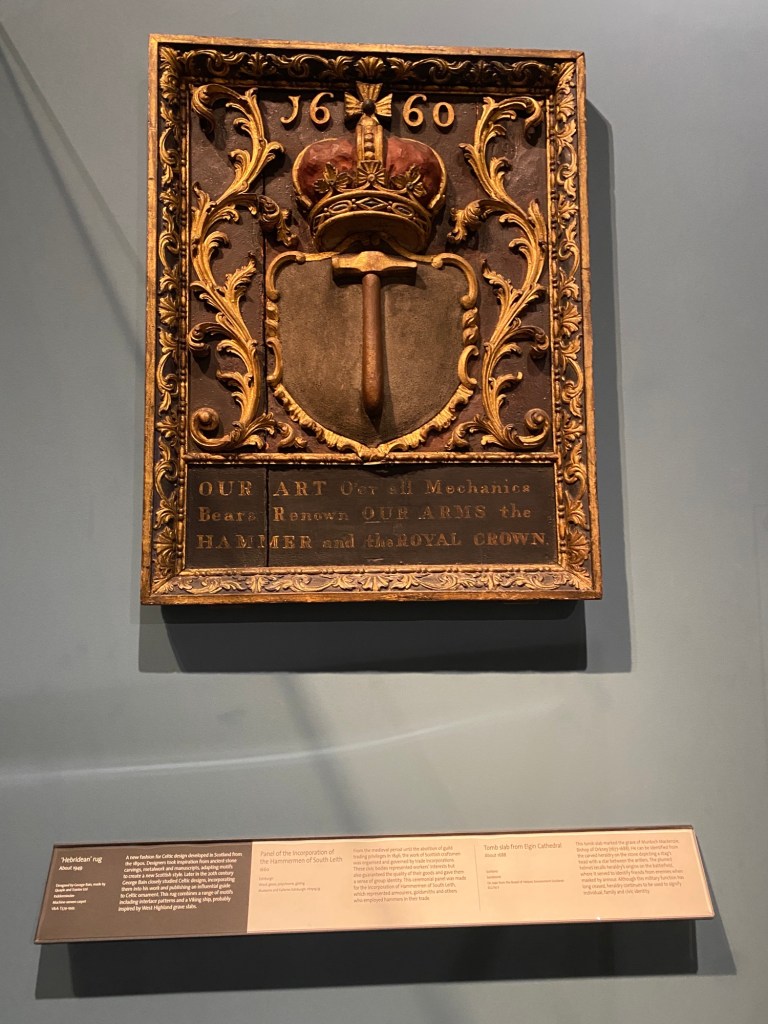
Next stop, The Highland Folk Museum, where life seemed to stand still – literally with exhibits from 1700’s to 1950’s. The museum has a unique origin story. Isabel F Grant founded the museum in 1935 on the Island of Iona. She was inspired to preserve the fast-disappearing way of Highland life.
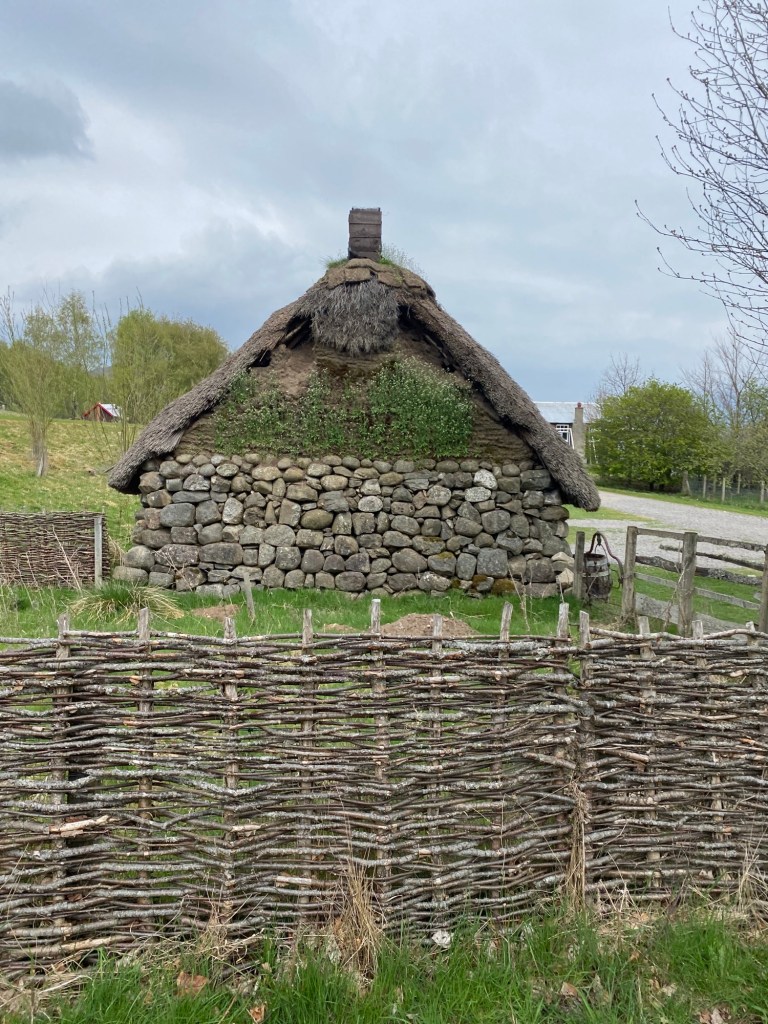

By 1943 her collection had grown so much that she moved it to a three-acre site in Kingussie and opened the Highland Folk Museum to the public – This living history approach was her way of giving visitors a glimpse of life gone by.

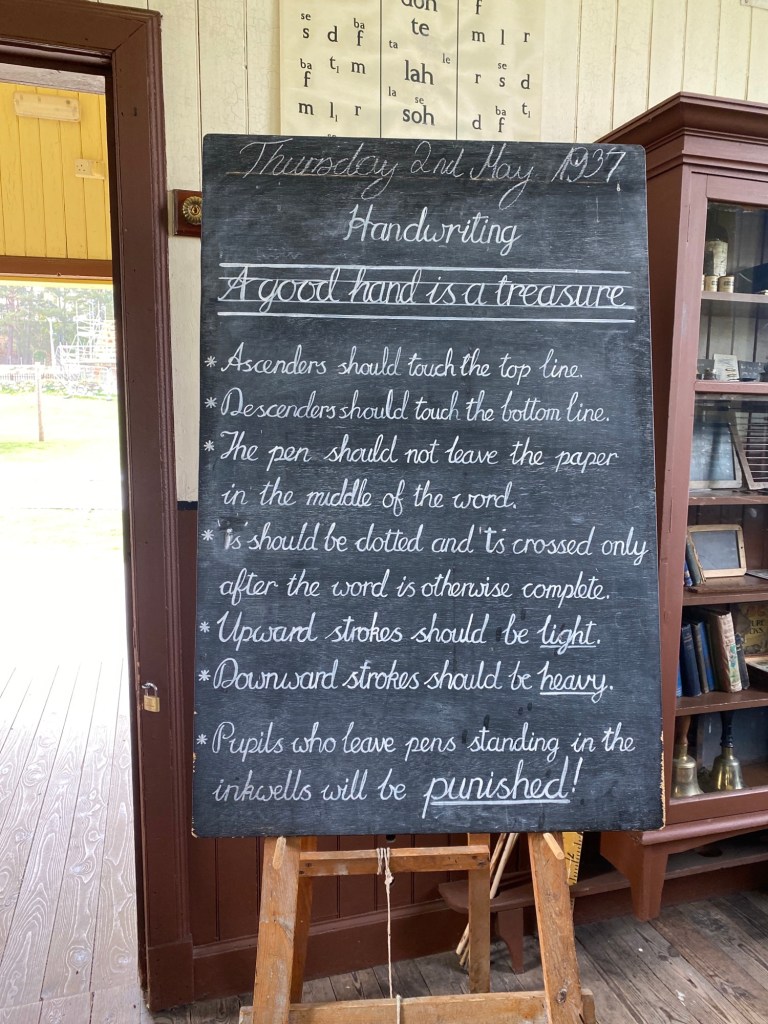
The site now is over 80 acres and is divided into four main areas – Aultlarie Croft – a working 1930’s farm, Balameanach or the middle village where relocated and replicated building can be toured.
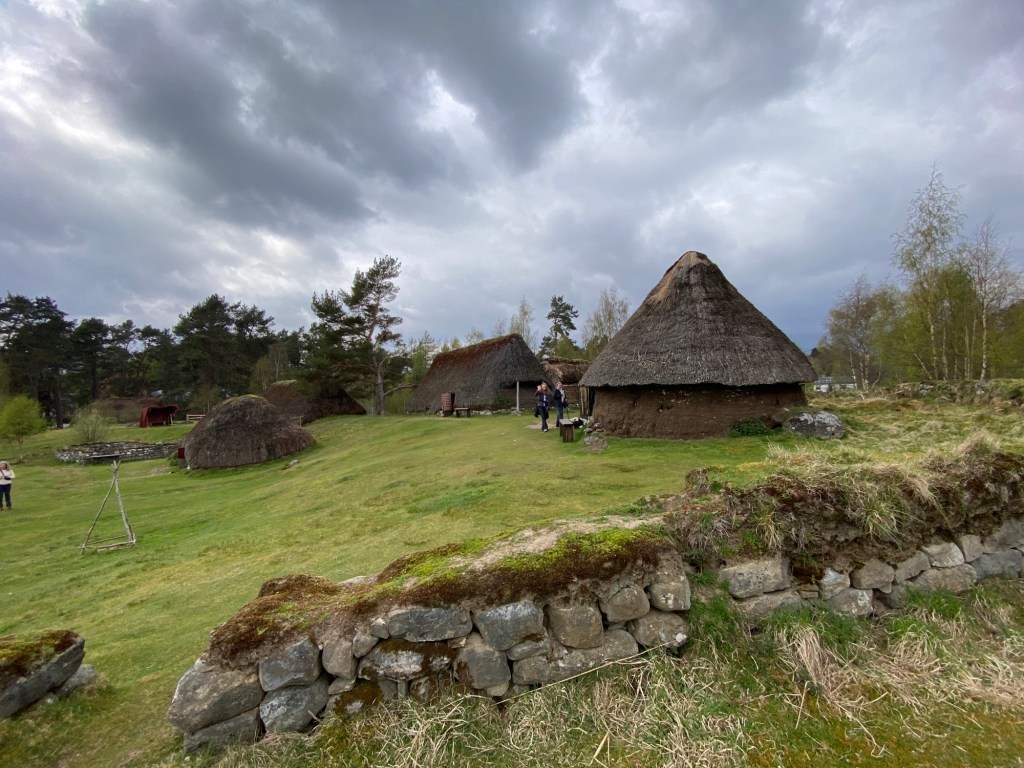
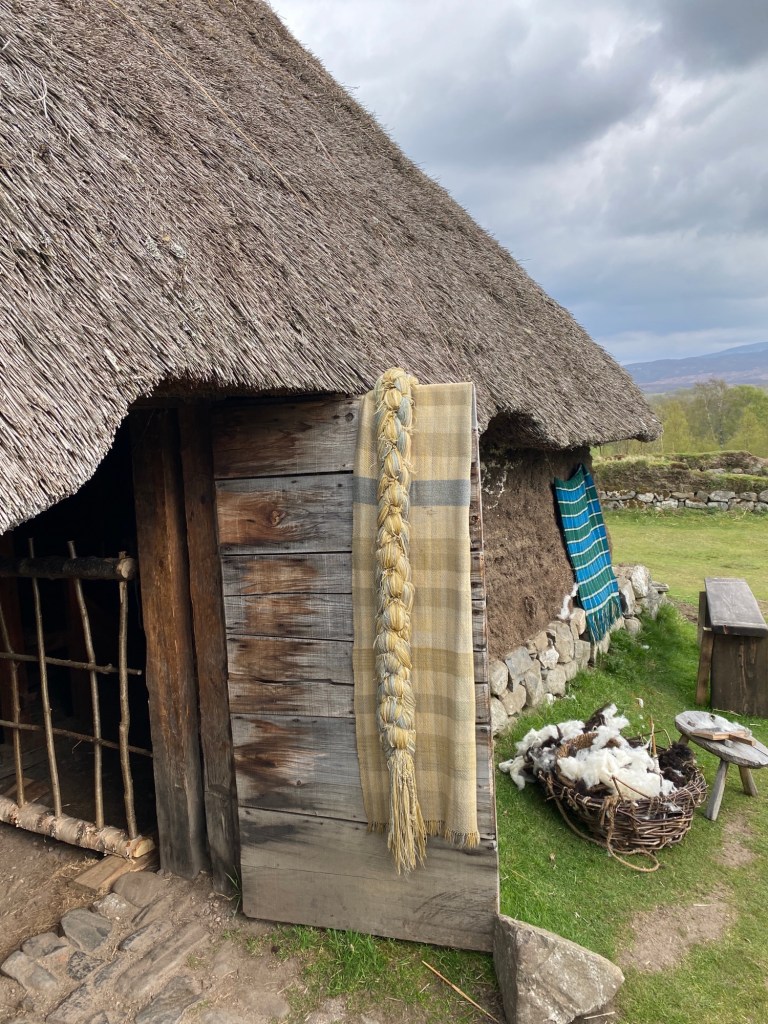
Through Pinewoods a rough forest barrier enhances the ethereal walk into the past of Baile Gean, a reconstructed 1700 village where scenes from The Outlander were filmed like the day Jamie collected “payments” from his tenants pictured below.

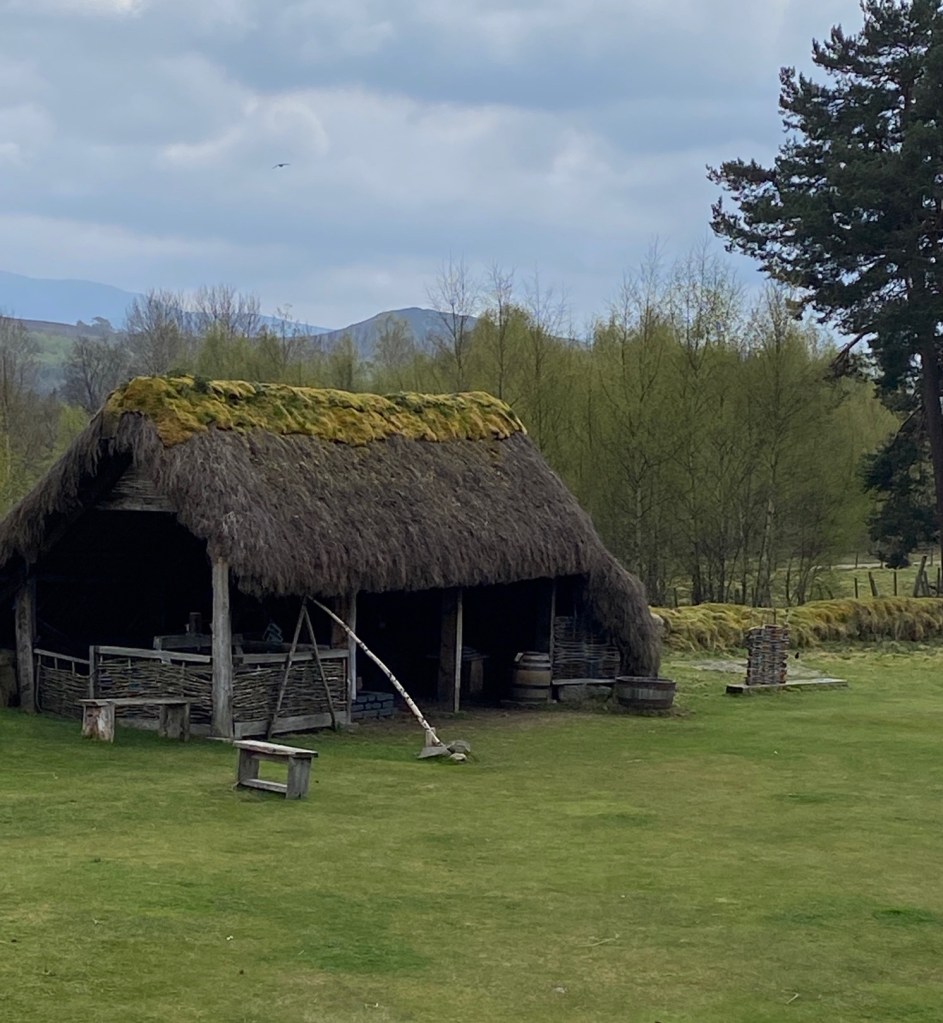
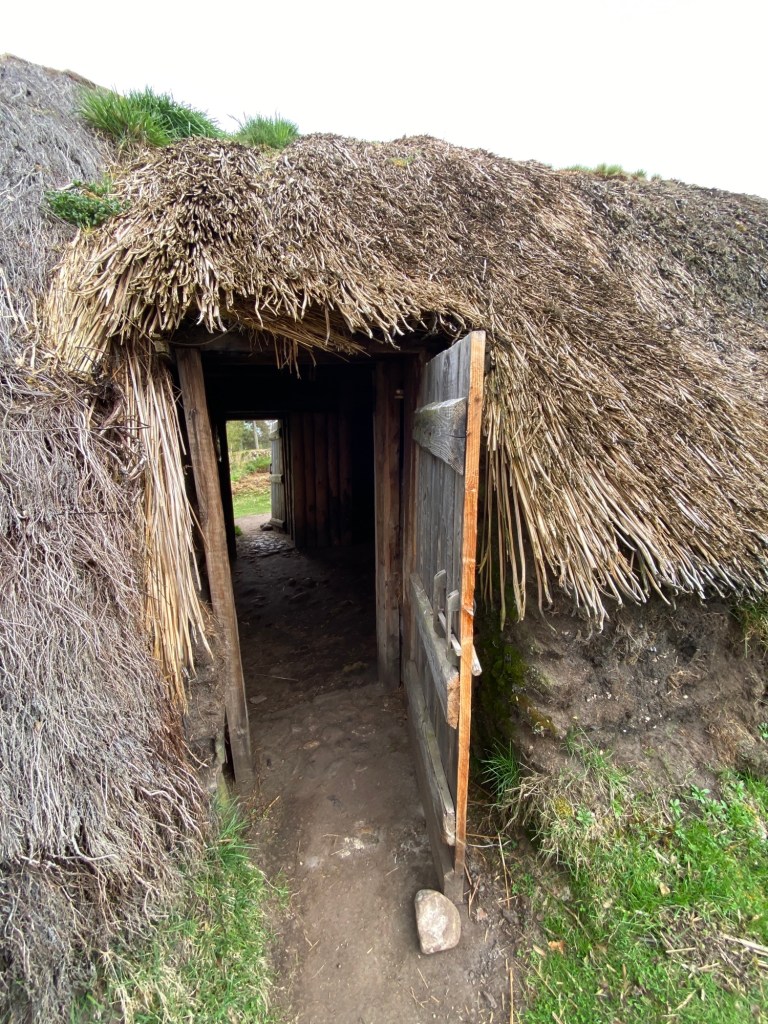
And Claire’s introduction to the women of the village singing the wool waulking song.


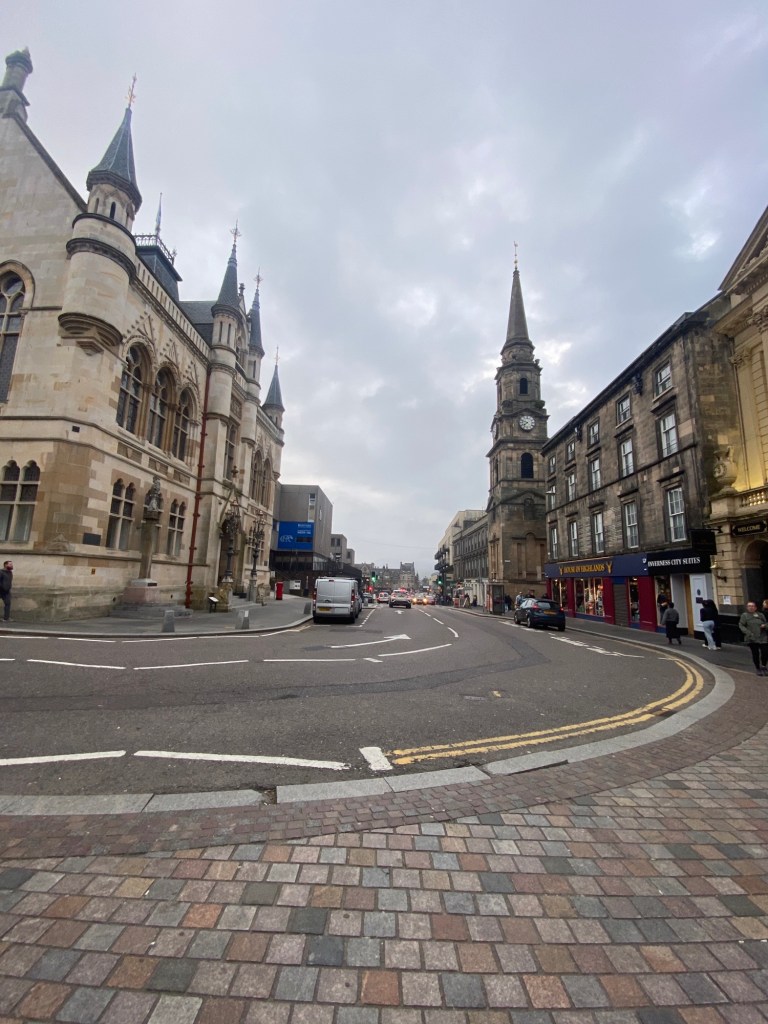
A quiet evening meal in downtown Inverness after a short walk from our guest house.
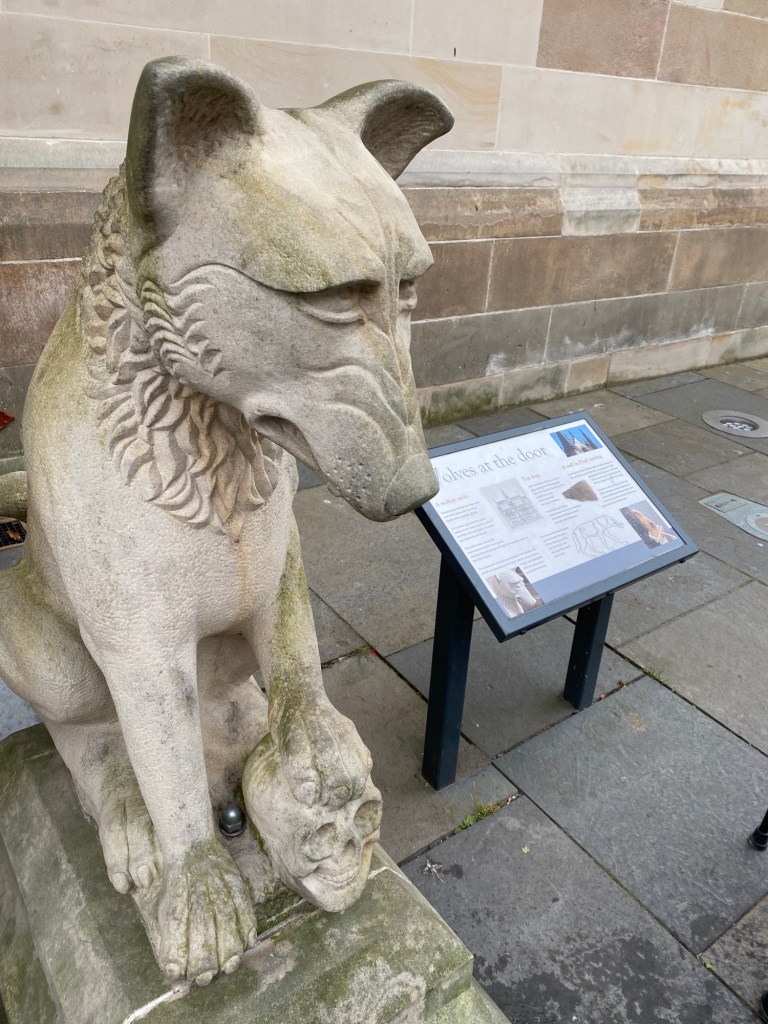


DAY 5
Leaving Inverness traveling south toward Fort William we encounter a few natives!

The Heilan coo is rustic cattle breed known for their long horns and long shaggy coats and lovingly referred to as “hairy coos” is a hardy breed found in the Scottish Highlands.
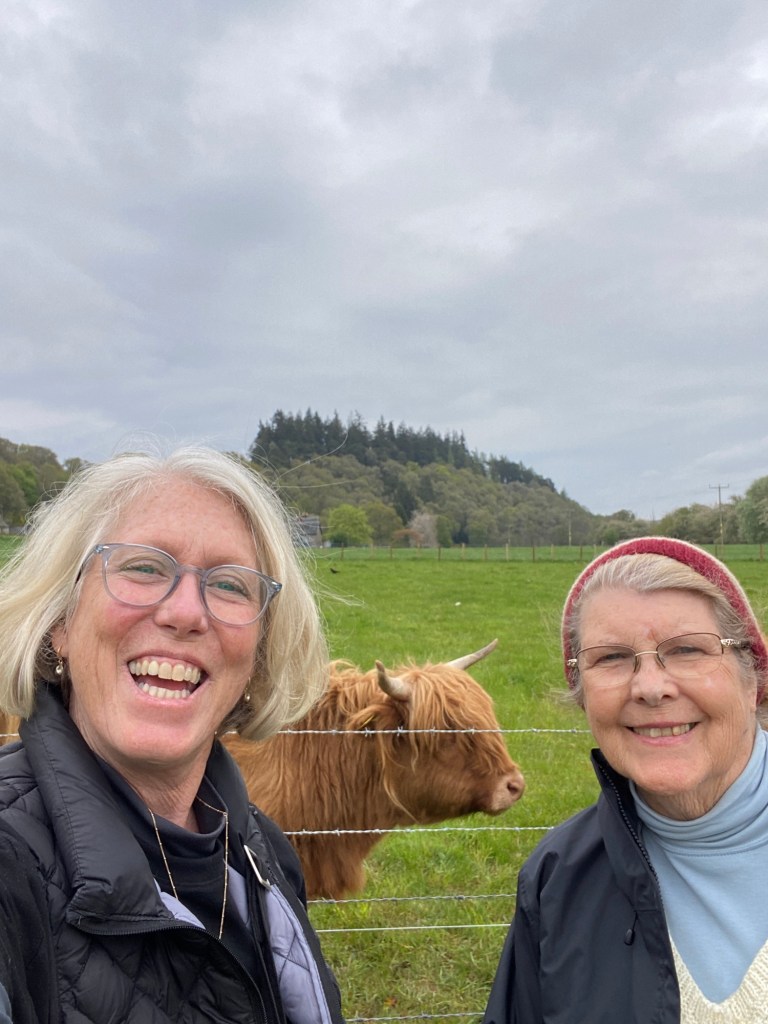
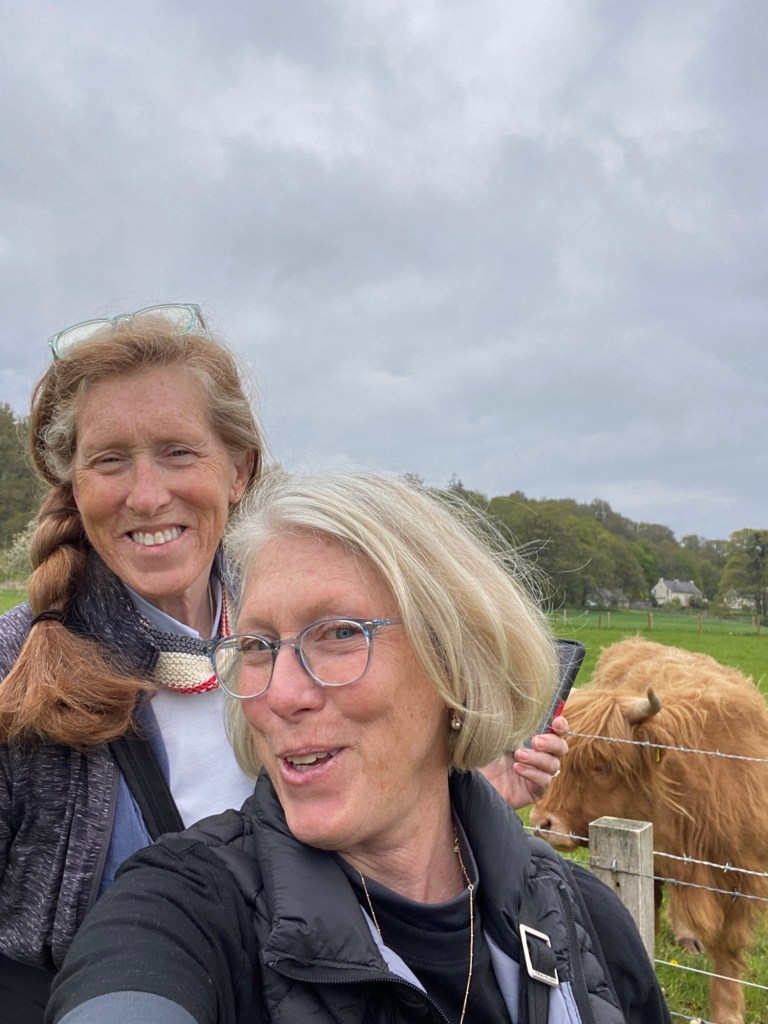
Just a short stop to say hello to the hairy coos before we depart on a historical tour of Loch Ness to the ruins of Urquhart Castle.
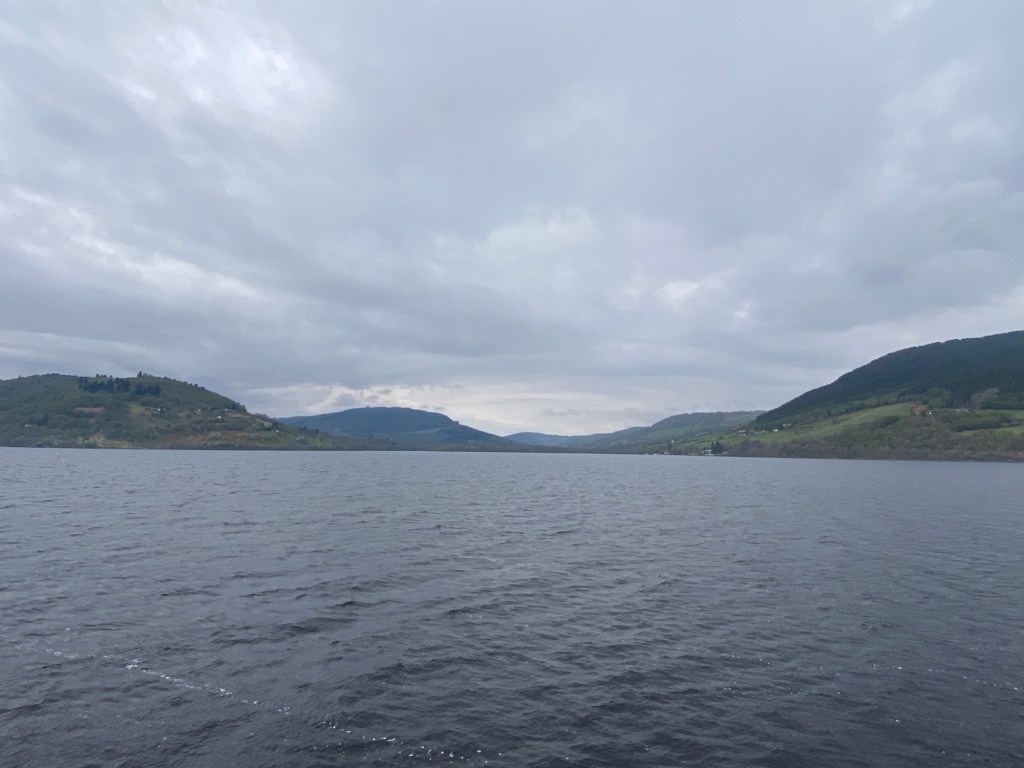
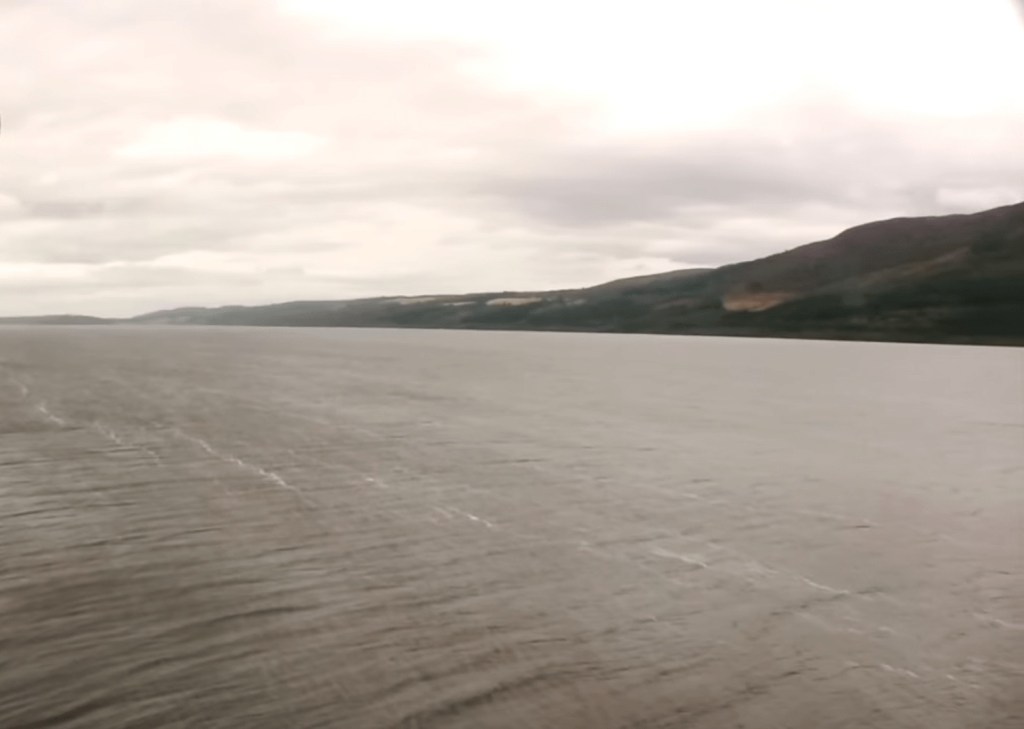
Loch Ness glacier formed so long ago is infamous yet innocent. It’s murky deep waters span approximately 23 miles long. However, the most striking statistic is that the volume of water held in this loch is nearly double that held in all the lakes in England and Wales! That’s a deep lake!

No sightings of Nessie on this cruise – just miles and miles of rugged coastline.
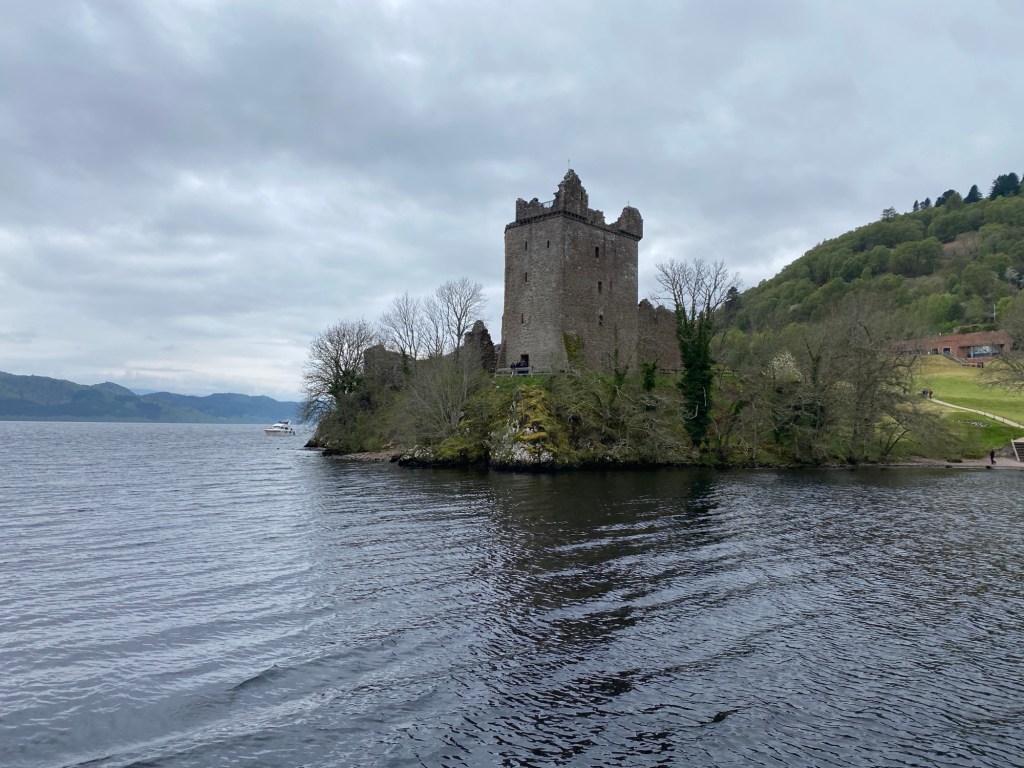
The ruins of Urquhart Castle date from the 13th to the 16th century and was embattled for over 500 of those early years. It played a role as the royal residence during the War for Scottish Independence in the 14th century.

After a scrumptious lunch of carrot and ginger soup with homemade crusty bread – so yummy – we continued south toward Fort William.

Fort William along Loch Linnhe
We arrived just as the UCI Mountain Bike World Cup Championships for Downhill racing was wrapping up and the Scottish Six Day Motorcycle Trial was about to begin!
This race originated in 1909 and is the oldest race of its kind in the world. Competitors arrive here in Fort William from all over the globe the first week in May ever since the race moved from Edinburgh in 1938. It is a 100 mile off road race of skill, consistence and endurance. We did travel for a distance behind a competitor on a trials bike on his way to traverse part of the course. Discover more about SSDT on their facebook page.


Most of our stay was just south of Fort William along the tranquil shores of Loch Linnhe at the Torlinnhe Guest House.

Scotch broom in full Spring bloom along the Loch Linnhe.

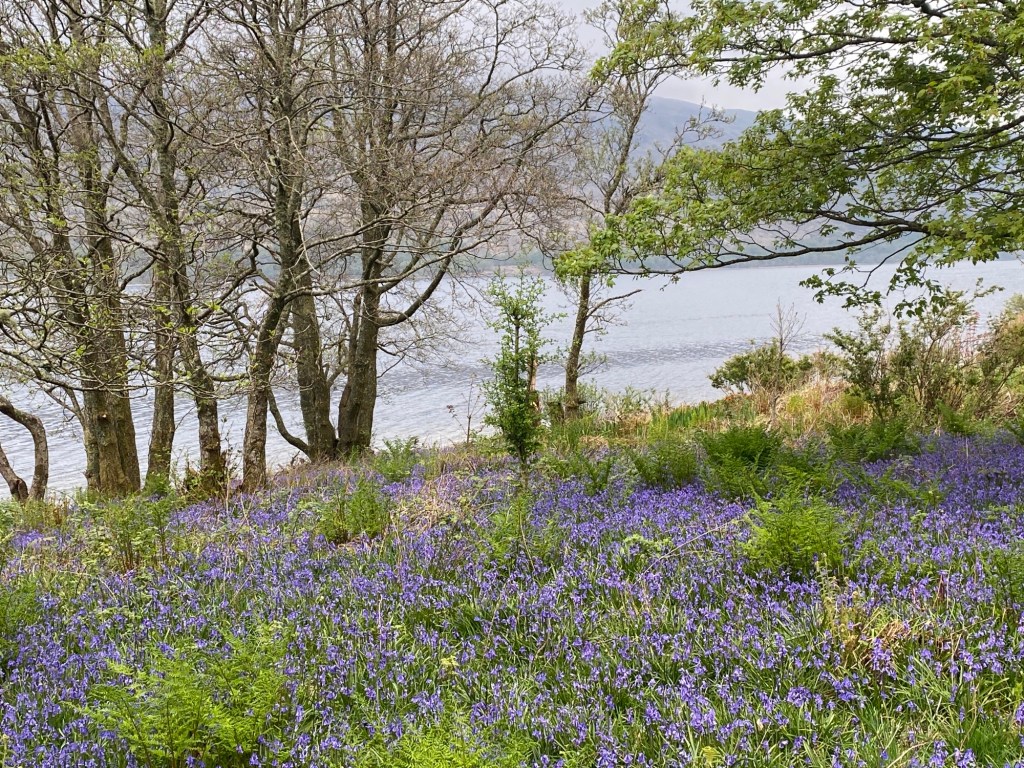
We enjoyed a light evening meal with a view at our guest house in Fort William and a lovely coastal walk with scents from the nearby sea and wild flowers along the shoreline.

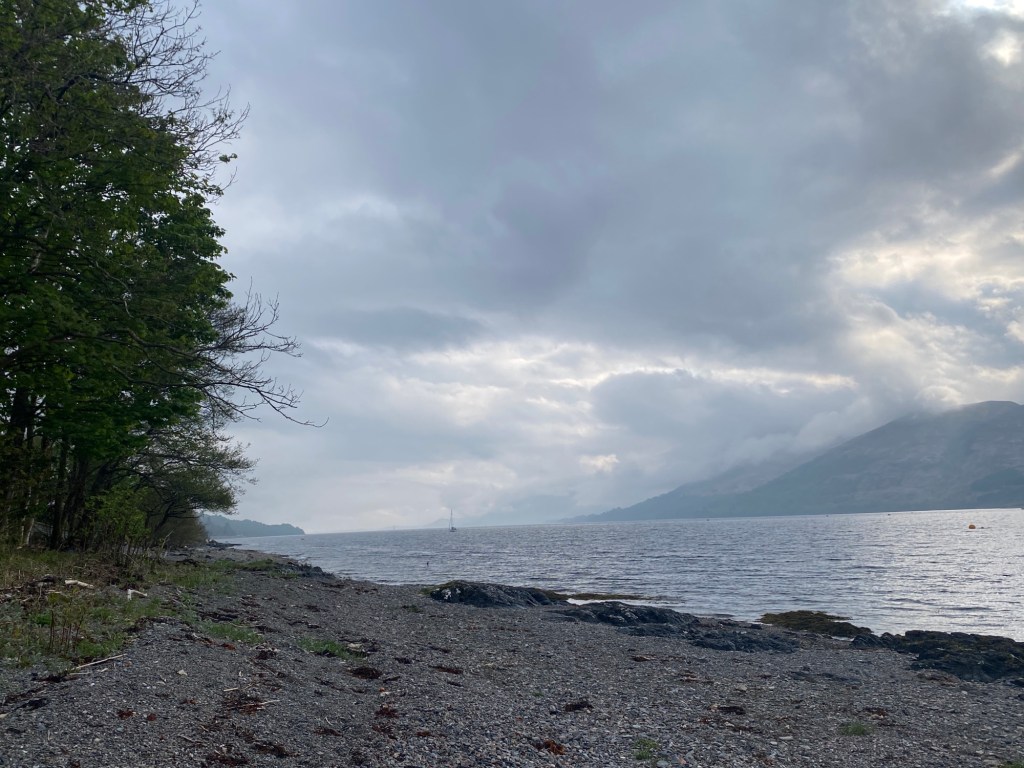
Loch Linnhe is a sea loch almost 20 miles long and flows along the Great Glen Fault line flows south into the Firth of Lorne. This salty pool welcomes dolphins and seals which can be spotted making their way along from the sea.
DAY 6
Winding roads through spectacular views of Glen Coe and Loch Lomond with a quick photo op at Doune Castle as we make our way back to Edinburgh.
But first – like every day on this trip – we start our day with a full English breakfast!
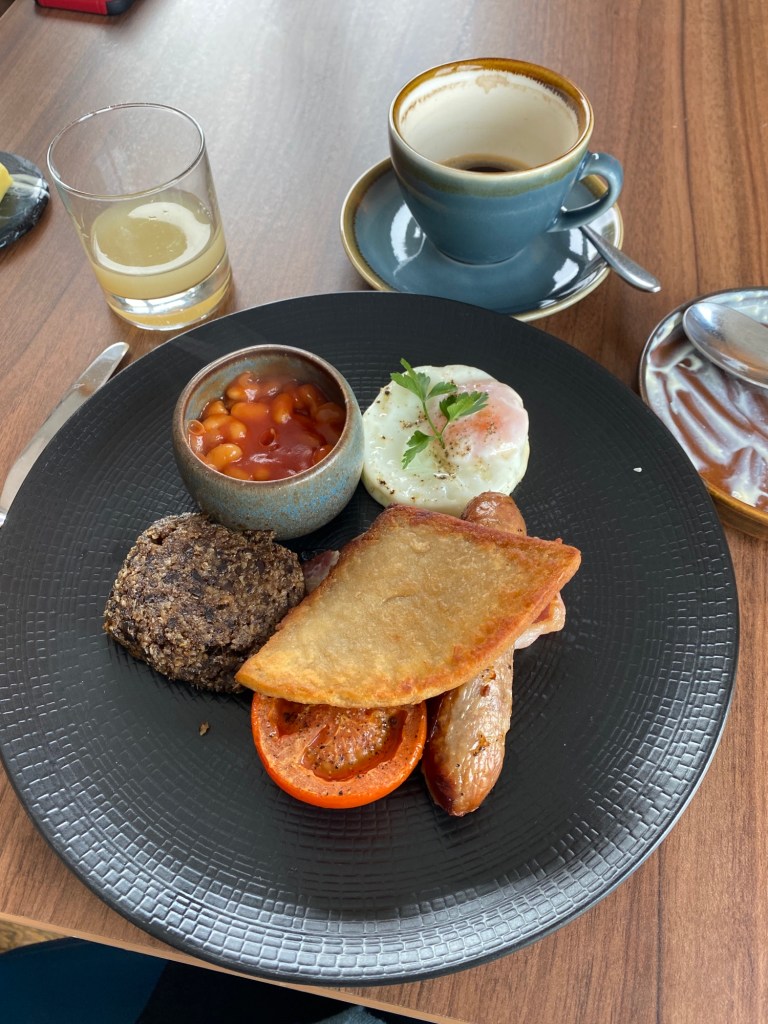
Gourmet style with haggis! So delicious!
Yup – I ate the whole thing and savored every bite!
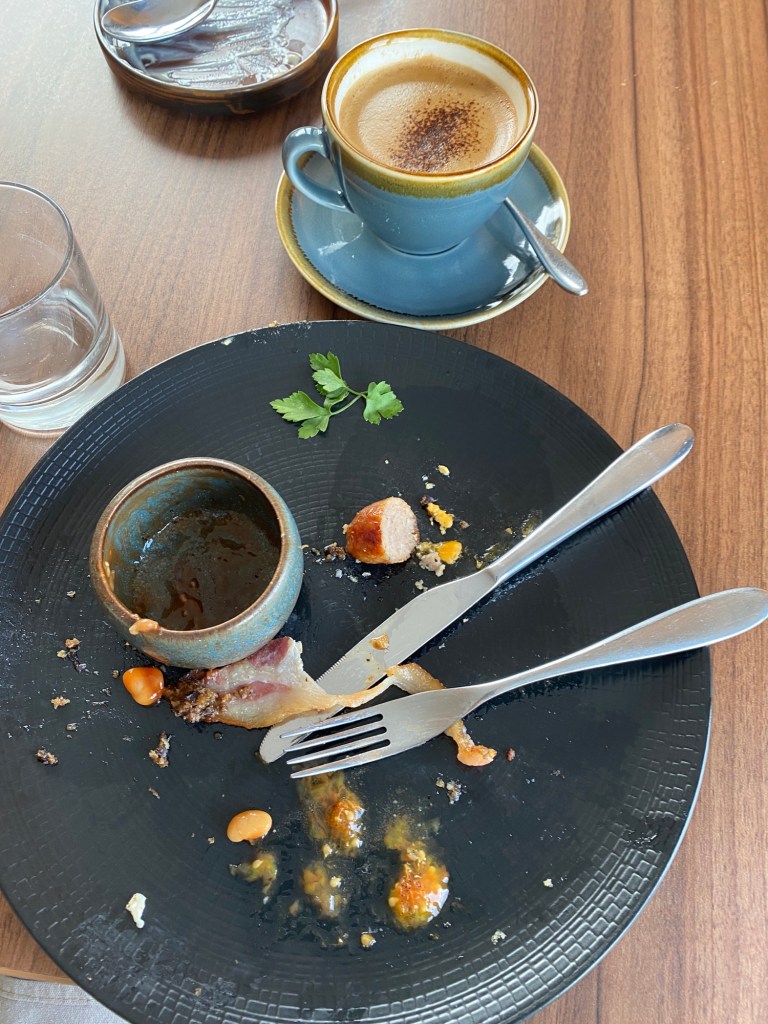
After breakfast, we packed up and headed south along the loch into Glen Coe and found our way back to Edinburgh.

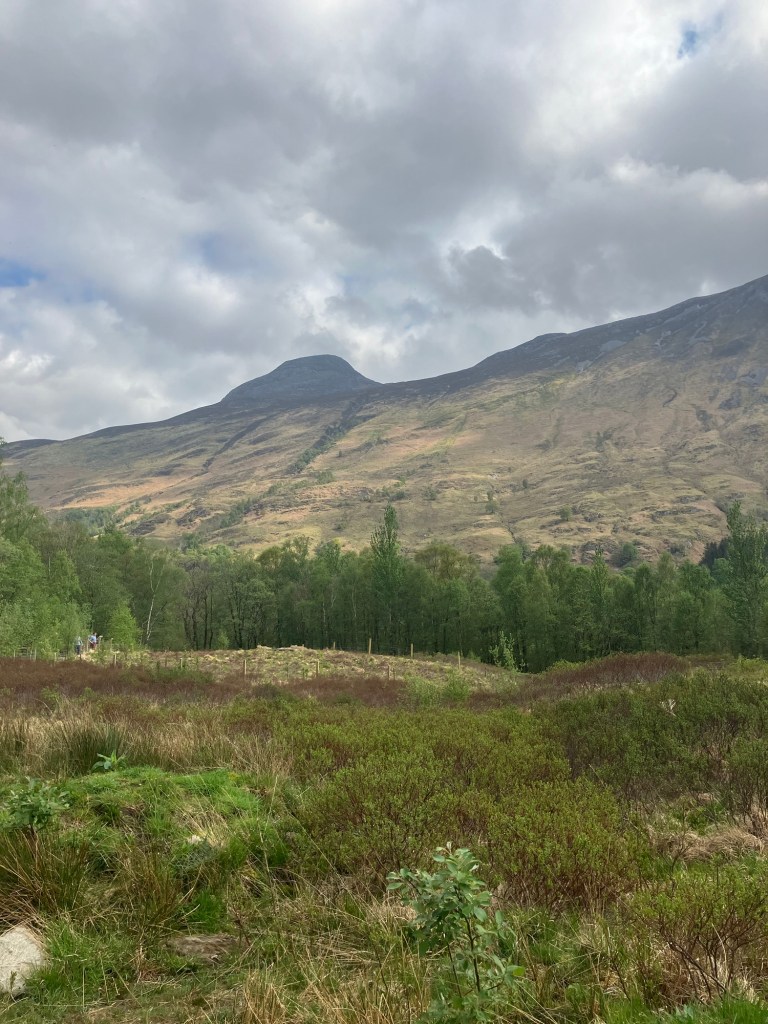
The drive through Glen Coe was magical – truly a sight to behold – I feel connected to this land and its history – some of it quite tragic.
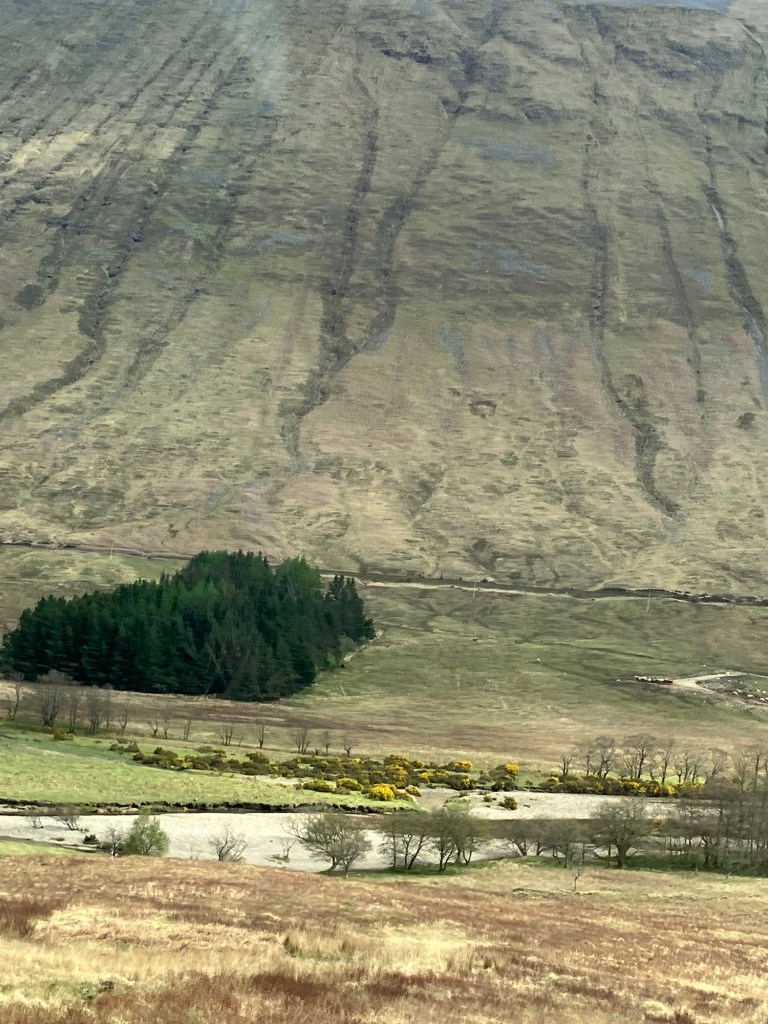
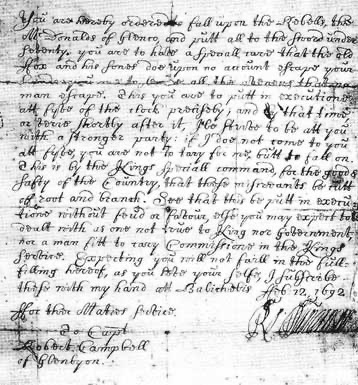
In 1692 the independent chiefs of the Highlands were quite powerful and many lived only for cattle raiding and plunder. William III of Orange saw the notorious feud between the clans MacDonald and Campbell as an opportunity to send a extreme message to the MacDonald clan. Amnesty would be granted to all clans who swore allegiance to William III by January 1, 1692. Now this date is important because MacDonald made the journey to Fort William on December 31, 1691. The required magistrate could not be reached in time, so Maclan MacDonald was given safe passage to Inverary, crossing the snow covered, treacherous mountains to the north. Colin Campbell, who would eventually be persuaded to take Maclan’s oath of allegiance was also detained due to the extreme weather conditions. Upon his return he reluctantly administered the oath, and MacDonald returned home thinking he and his clan were now safe with the promise of amnesty from William III.
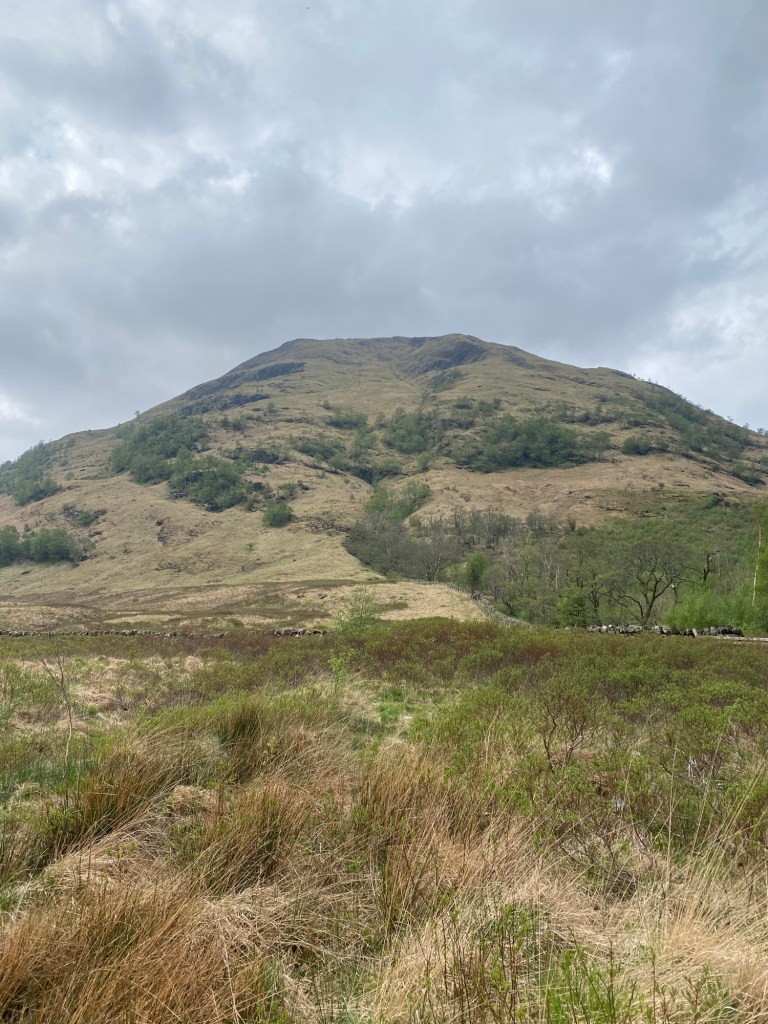
In early February Captain Campbell, whose kin had married a MacDonald and under the pretext of needed quarters for his soldiers, arrived in Glen Coe and became the welcomed guests of the MacDonald Clan. Little did they know the treachery that was afoot.
After being entertained and housed by the villagers for over a week, these soldiers executed a direct order from William III to bring “fire and sword” upon anyone under the age of 70 years. So at five in the morning on February 13, the soldiers massacred the unarmed villagers, killing 38 persons, burning the entire village, forcing survivors to flee into the snow covered mountains. Many more of the 200 survivors perished from cold, hunger and fatigue.
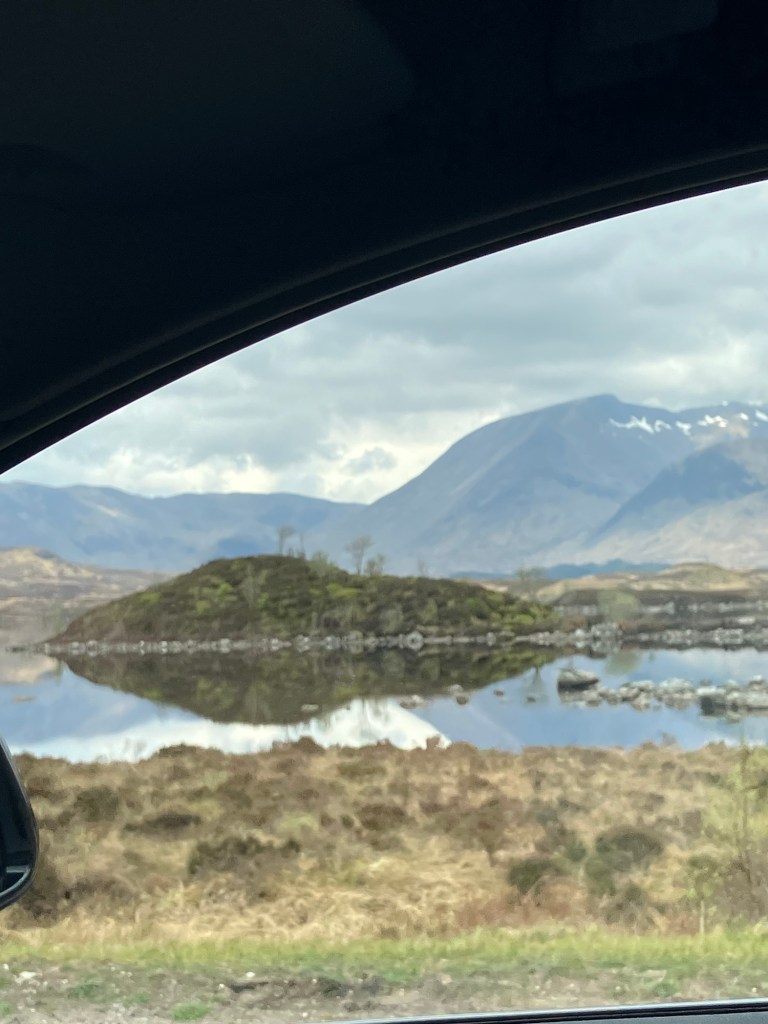
There was a great outcry in Scotland, but alas this sad and unexplained blunder has never seen the light of justice. To this day the name Campbell is a source of scorn in the Highlands. Not so much do to the deed of causing death itself; but due to the horrid breach in decorum, as it is well known in Scottish hospitality that one does not wage war against the one who cares for you. If you have a grievance with your host, one left and then returned to fight with honor.

Almost two hours south of Glen Coe along a stretch of Loch Lomond and through Queen Elizabeth Forest Park we made our way to Doune Castle our last stop before our return to Edinburgh.
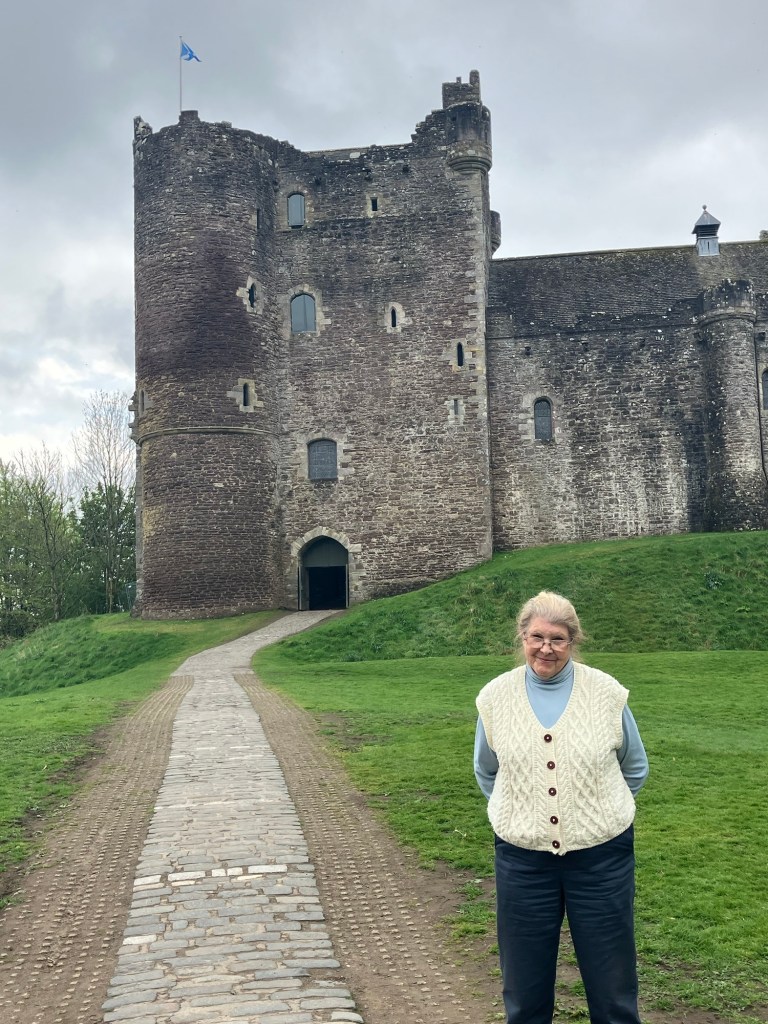
Robert Stewart built Doune Castle in the thirteenth century and now is maintained by the Historic Environment Scotland group.
The castle is featured in many literary works including Walter Scott’s 1814 novel Waverly. It also has served as a location for several films such as Ivanhoe in 1952, Monty Python and the Holy Grail filmed in 1974, and Outlaw King filmed in 2018. Fans of the series Outlander will also recognize this castle as the fictional “Castle Leoch”.

I was intrigued by the tales of fairies, who are rumored to frequent a small wood just east of Doune Castle called Ternishee , which translates from Scottish Gaelic tir na sidne to mean ‘land of the faires’.
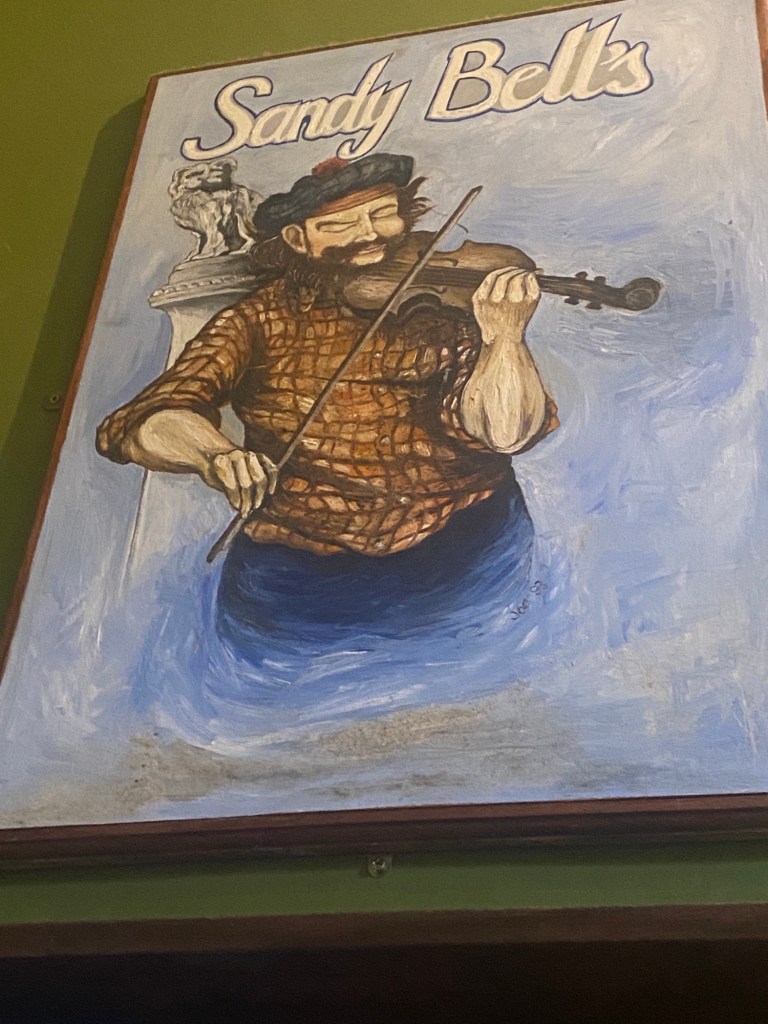
We returned to Edinburgh with time for one more visit to St Giles’ and a chance encounter with local musicians at the Sandy Bell.

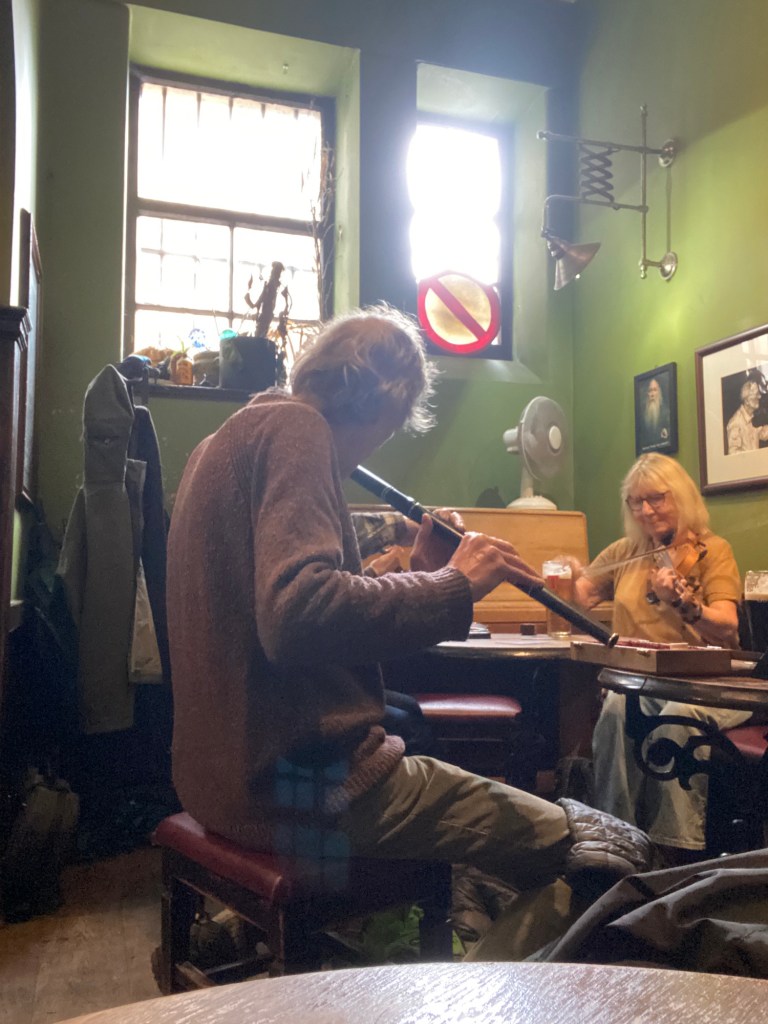
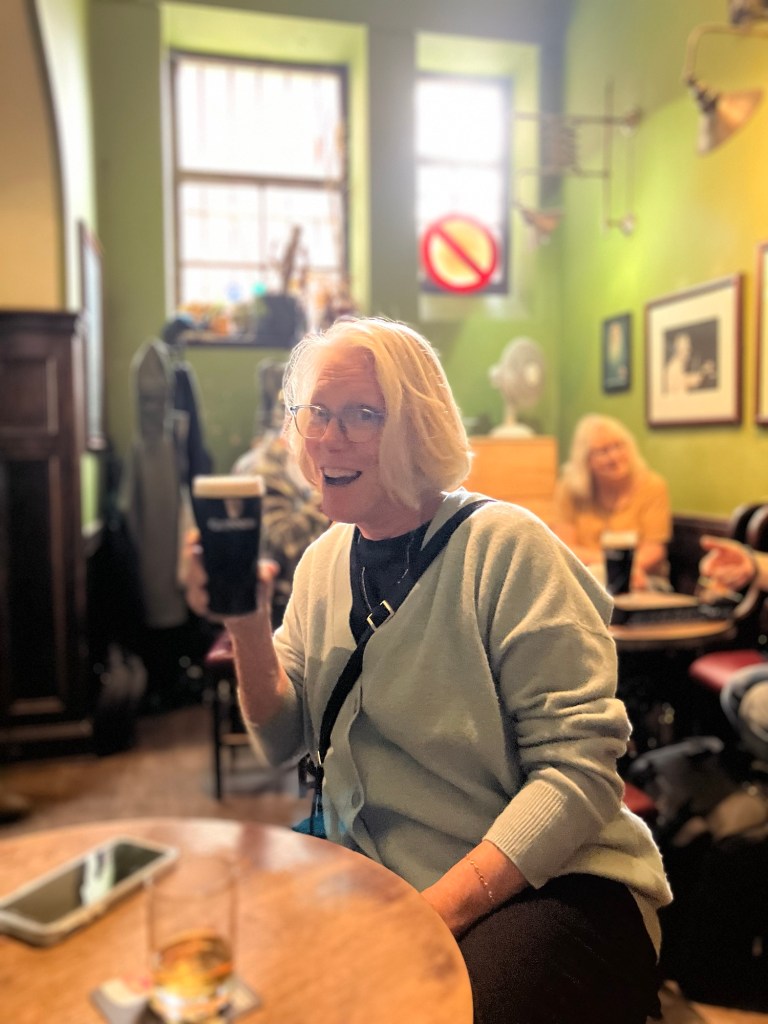
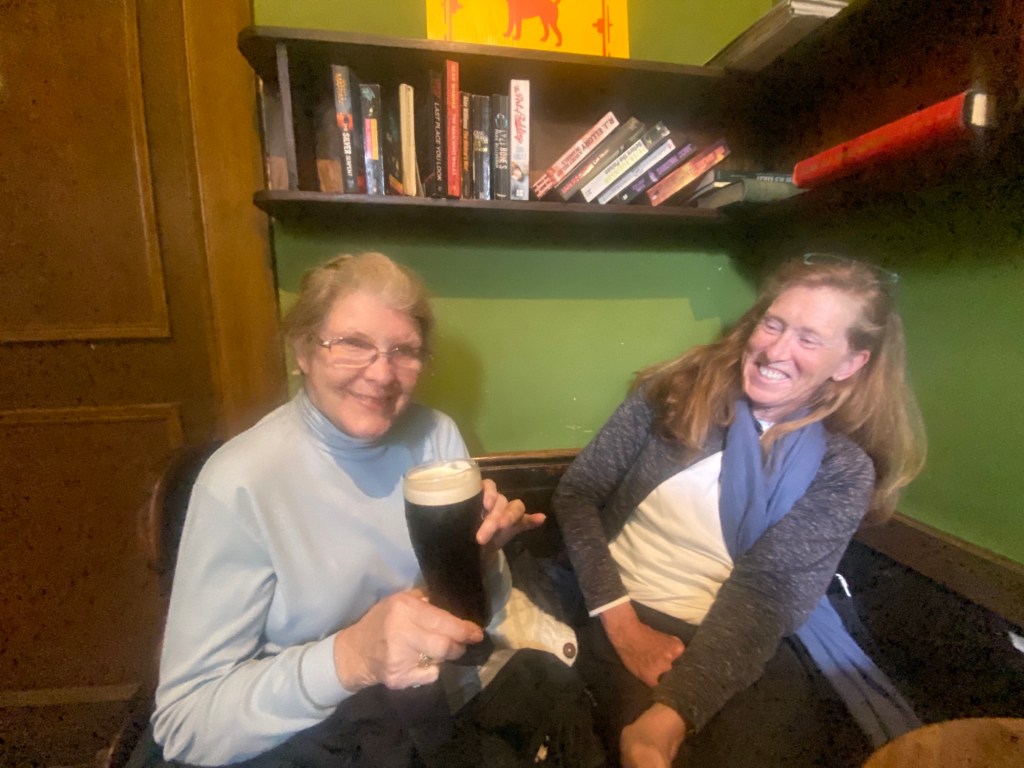
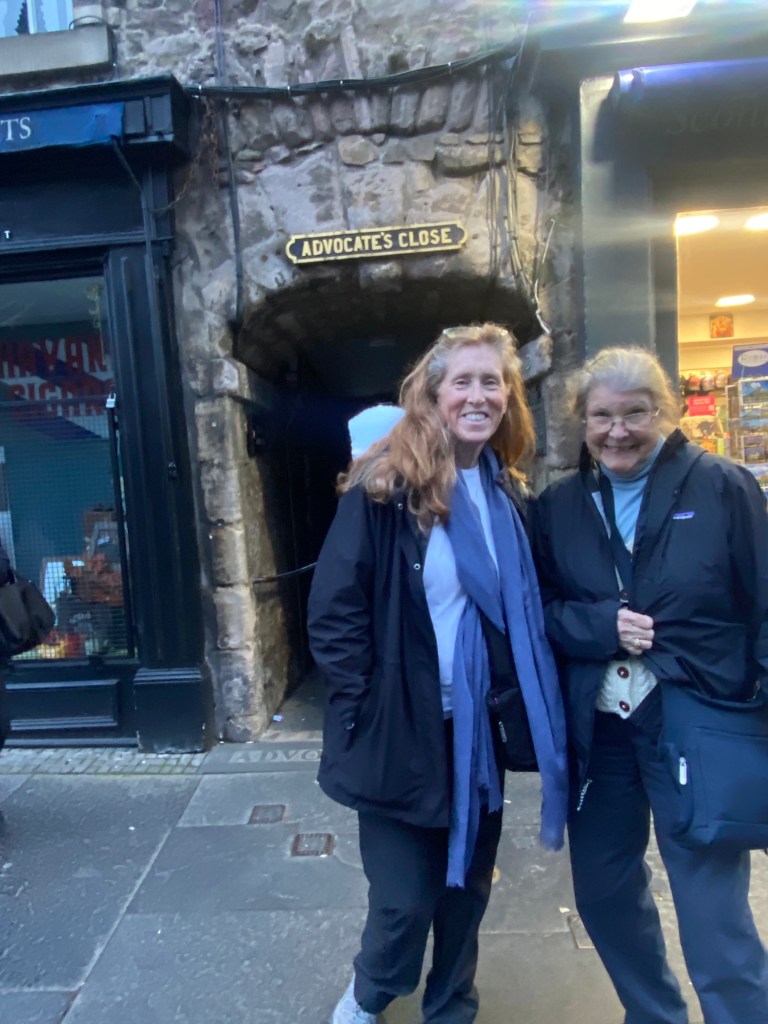
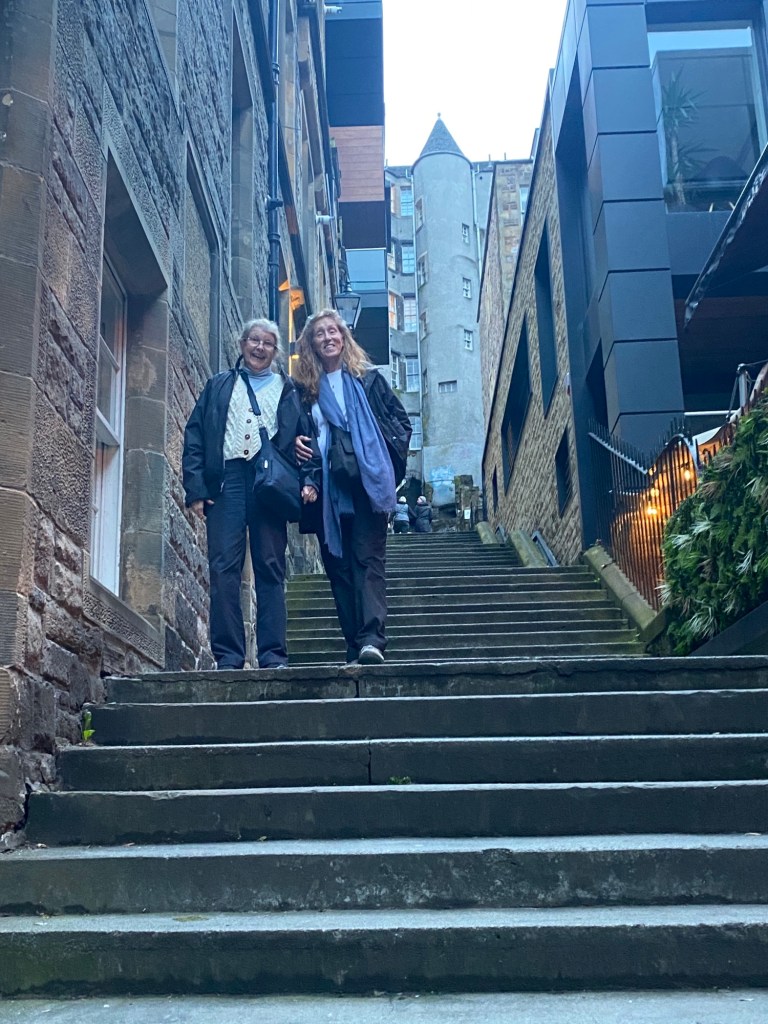
Leaving the Royal Mile through Advocate’s Close named after the Lord Advocate of Scotland, Sir James Stewart, once a fashionable address for the Scottish gentry.
The Scott Monument can be seen from the top of the close.
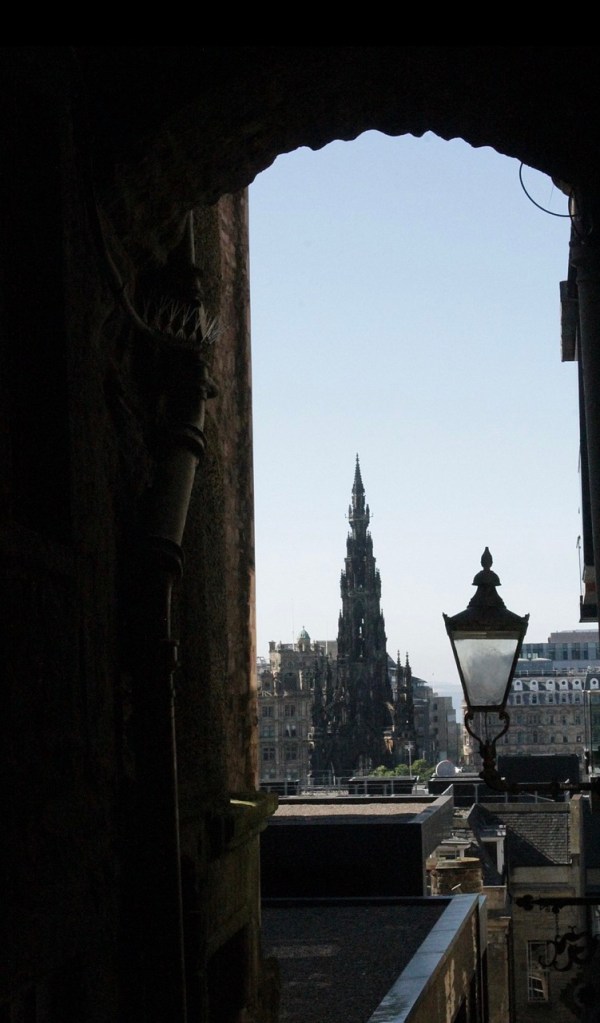
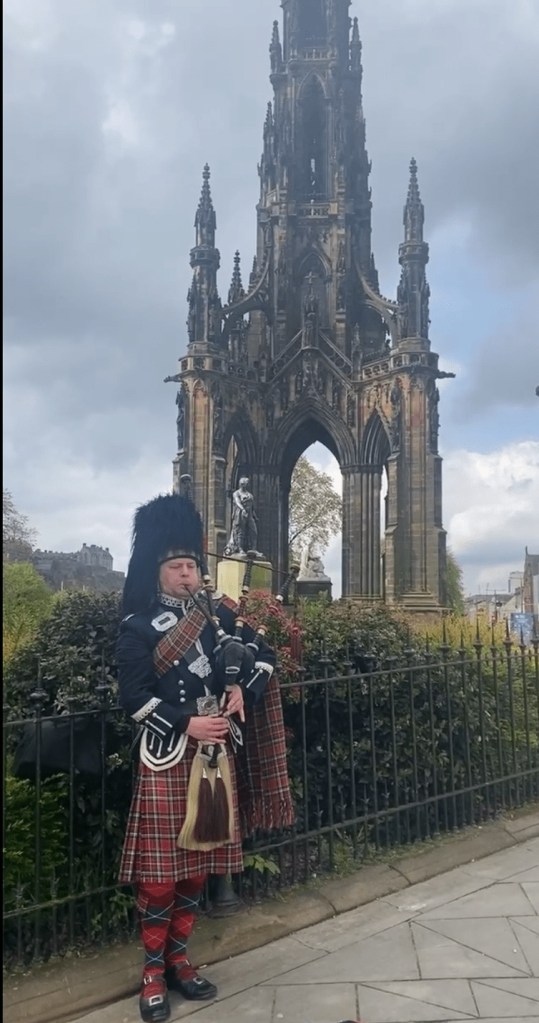
The Scott Monument was inaugurated in 1846 after a competition was held in order to find an appropriate design. Sir Walter Scott is renowned as the father of modern historical fiction in Scotland. He is credited with rescuing the Scottish banknote after the British Parliament’s attempt to prevent Scotland from printing their own money. His literature such as Ivanhoe and Rob Roy influenced contemporary authors such as the Bronte sisters Edgar Allen Poe. Some say he brought modern tourism to Edinburgh as well.
I’ll end this lengthy blog with a heartfelt thank you to my sister-in-law, Barbara, who inspired this trip – Rusty and I would never have taken on this adventure without your keen desire to see Scotland – the backdrop of your beloved series Outlander.
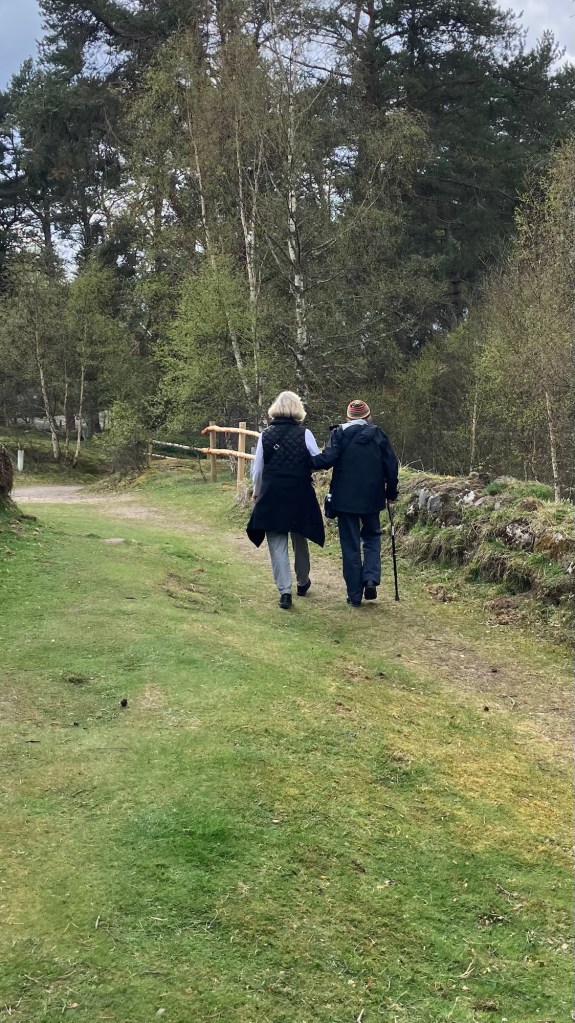
Our remarkable jaunt through Scotland yielded memories for a lifetime – until next time as the Scots say: “May the blessing of light be on you – light without and light within. May the blessed sunlight shine on you like a great peat fire, so that stranger and friend may come and warm at it.”
 CARBON ZERO RIVIAN Venture